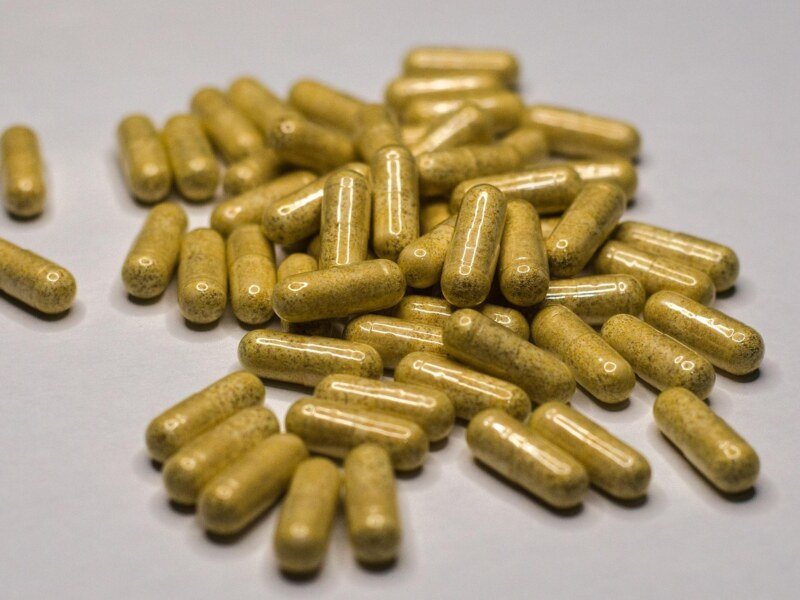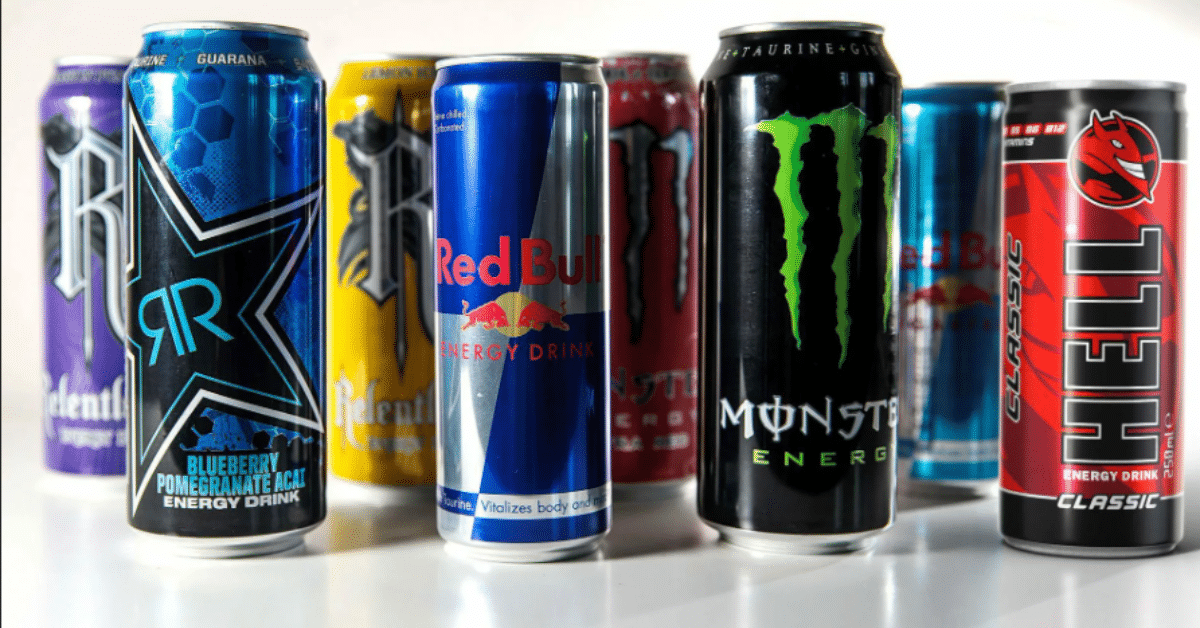

The sudden death of 15-year-old Zachary Miron in January 2024 has sparked a growing call for stricter rules around energy drinks for young people in Quebec. In December, Radio-Canada’s Enquête team revealed that a combination of Red Bull and medication used to treat his attention deficit hyperactivity disorder (ADHD) played a role in his death. Since then, his family has gained the support of 21 school-related organizations — including both private and public school administrations, parent committees, and unions — in urging the government to ban the sale and distribution of energy drinks to children under 16.
The Quebec federation of private schools, the Fédération des établissements d’enseignement privés (FEEP), has joined the family’s cause and is backing a petition introduced by Québec Solidaire MNA Guillaume Cliche-Rivard. The petition has already collected more than 19,500 signatures.
Cliche-Rivard said the support gives him “great hope,” but also shows the “urgency to act.”
Jasun Taparauskas, head of Miron’s school, Externat Sacré-Cœur in Rosemère, said the tragedy deeply shook the entire community. He shared that the school network is now actively working to spread awareness about the risks. He described the growing support as an “unprecedented mobilization” and believes it highlights a “major concern shared by all stakeholders in the education network.”
“This initiative stems from a real need on the ground and a responsibility that we feel deeply,” said Taparauskas.
Some schools have already started taking action. Collège Charles-Lemoyne in Longueuil is among three Quebec schools that have stopped selling energy drinks and banned them on campus following Miron’s death. Administrators cited health concerns and have begun awareness campaigns for students.
Principal David Bowles admitted he was unaware of the dangers linked to combining ADHD medication with caffeinated drinks.
“I didn’t know, I really didn’t know. My kids didn’t know, the students in general don’t know,” he said.
The issue is more widespread than many realize. According to Francis Côté, president of the Fédération québécoise des directions d’écoles (FQDE), more than 20 percent of young people take psychostimulants, and many also consume energy drinks. The FQDE has now joined other groups in demanding stricter regulations.
“We can no longer turn a blind eye. If we do not tighten the rules quickly, we are collectively accepting the risk of losing more lives,” said Côté.
Health experts have long warned about the risks of energy drinks. Their sales in Canada grew significantly — from $851 million to $1.1 billion between 2018 and 2022, according to Euromonitor. Despite their popularity, professionals say these drinks can negatively affect health, especially in teenagers.
Dr. Olivier Drouin, a pediatrician and clinician scientist at CHU Sainte-Justine in Montreal, said many teens are unaware of the potential dangers.
“Many of them don’t really realize that energy drinks carry some potential negative health effects,” he said.
He explained that teens may experience symptoms such as jitteriness, heart palpitations, dehydration, increased heart rate, and trouble sleeping. The risks increase when energy drinks are combined with ADHD medications.
“Ritalin and company act similarly to caffeine, and so the problem is that you compound the effects,” he said, adding that this combination can lead to arrhythmia, or irregular heartbeat.
Other countries have already taken steps to limit access. Poland banned energy drink sales to those under 18 in 2024. England is also planning to restrict highly caffeinated drinks for children under 16, while several other nations are considering similar measures, reported by CBC.
Back in Quebec, education and parent groups are now demanding stronger protections. Éric Gingras, president of the Centrale des syndicats du Québec (CSQ), said the organization joined the movement to “demand concrete actions” to safeguard students.
Mélanie Laviolette, president of the Fédération des comités de parents du Québec (FCPQ), pointed to a growing normalization of energy drinks among youth.
“We feel there is a normalization of these products among our youth and that we, as parents, are not sufficiently informed — nor are our children — about the harmful effects they can [cause],” she said.
Zachary Miron’s parents say they chose to speak publicly so that their son’s death could lead to meaningful change. They are encouraged by the widespread support and grateful to see so many organizations backing their efforts.
“If this initiative can prevent even one other tragedy, then it must go much further than us,” said David Miron, Zachary’s father.
The family met with Health Minister Sonia Bélanger on April 1 and believes she is taking their concerns seriously. However, they are still urging the government to act quickly.
“Summer is coming, with young people going to the corner store to buy refreshments. Things need to move,” said David Miron.
“We want rapid action. The current mobilization demonstrates the credibility of the issue and the importance of hurrying to regulate these energy drinks.”

Harnaik Singh Rathor is the Founder, Publisher, and Editor-in-Chief of StudioX News Canada, Canada's multilingual digital news network serving diaspora communities across 44 languages. With a background in media production, public relations, and multicultural communications, he founded StudioX Film and TV Corporation to bridge the gap between mainstream Canadian media and the country's diverse immigrant communities. He is a member of the Canadian Association of Journalists (CAJ), RTDNA Canada, CPRS Vancouver, NEPMCC, and the Canadian Freelance Union (Unifor). Based in Surrey, British Columbia. | LinkedIn: https://www.linkedin.com/in/harnaiksinghrathor/ | Muck Rack: https://muckrack.com/harnaiksinghrathor | Email: editor@studioxnews.ca