Canada Inflation June 2026 Slows to 2.8%
Canada inflation June 2026 showed further signs of easing as the annual inflation rate slowed to 2.8% in June, according to the latest Consumer Price Index (CPI) data released by Statistics Canada.
The moderation in inflation was largely driven by a decline in gasoline prices, which helped offset price increases in several other consumer categories. While Canadians continue to face higher living costs compared with previous years, the latest figures suggest that overall price growth has become less intense than earlier periods of elevated inflation.
The report provides an important snapshot of Canada’s economic conditions and will likely be closely watched by businesses, consumers, and financial markets in the months ahead.
Lower Gas Prices Help Ease Inflation
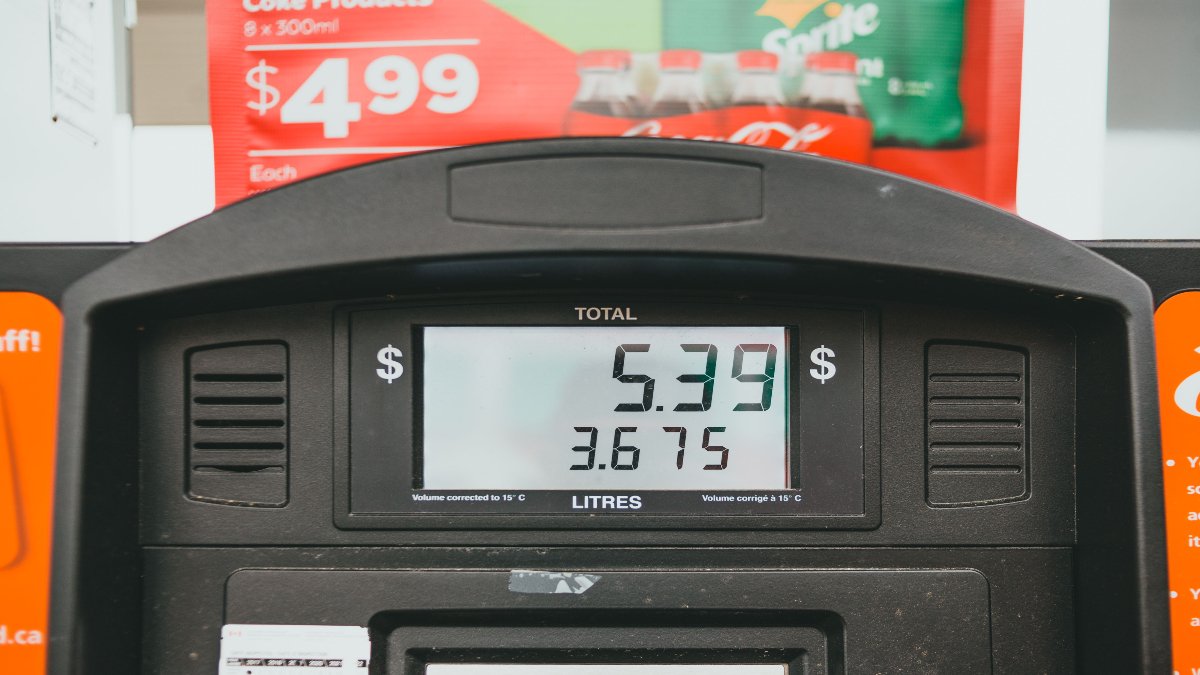
One of the biggest contributors to the slowdown in Canada inflation June 2026 was the decline in fuel prices.
Gasoline costs have a broad impact on household budgets because they influence transportation expenses and can affect the cost of moving goods across the country. When fuel prices fall, they often reduce pressure on overall inflation, even if prices for some other goods and services continue rising.
Statistics Canada indicated that lower gas prices played a significant role in bringing the annual inflation rate down to 2.8%, providing some relief for consumers after months of fluctuating energy costs.
Although energy prices can change quickly due to global market conditions, the latest data offered a positive sign for households managing day-to-day expenses.
What Else Influenced Consumer Prices?
While gasoline prices declined, prices across other sectors continued to show mixed trends.
Food, housing, transportation, recreation, and personal services remain key components of the Consumer Price Index, with changes in each category contributing to the overall inflation rate.
Some categories continued to experience price increases, reflecting ongoing supply and demand dynamics, labour costs, and broader economic conditions. At the same time, slower increases in other areas helped balance the overall inflation picture.
Economists often note that inflation is influenced by multiple factors, making monthly CPI reports an important indicator of broader economic performance.
The latest Canada inflation June 2026 figures suggest that price pressures remain present but are becoming more moderate compared with earlier periods.
What the Latest Inflation Data Means for Canadians
For many Canadians, inflation directly affects everyday spending.
Lower inflation does not necessarily mean that prices are falling. Instead, it indicates that prices are increasing at a slower pace than before. Consumers may still notice higher costs for groceries, housing, and services, but the rate of increase has eased.
Businesses also monitor inflation closely when making decisions about pricing, wages, and future investment plans.
The latest Canada inflation June 2026 data may provide greater confidence for households planning their budgets, while also helping policymakers assess the overall direction of the economy.
What Economists Will Watch Next
Inflation remains one of the most closely followed economic indicators in Canada.
Economists will continue monitoring future Consumer Price Index reports alongside employment figures, wage growth, retail spending, and broader economic activity to assess whether inflation continues moving toward the Bank of Canada’s long-term target.
Energy prices, global supply chains, consumer demand, and international economic developments are expected to remain important factors influencing future inflation trends.
The latest data will also contribute to discussions about the broader economic outlook and future monetary policy decisions.
Looking Ahead
The latest Canada inflation June 2026 report suggests that inflationary pressures are gradually easing, supported in part by lower gasoline prices.
While challenges remain for many households, the slowdown offers a positive sign that price growth is becoming more manageable.
Experts say future inflation trends will depend on several domestic and global factors, including energy markets, consumer spending, and overall economic performance.
As new economic data becomes available in the coming months, Canadians will continue watching how inflation evolves and what it could mean for household finances, businesses, and the broader economy.

Shweta Malik is a content writer and journalist contributing to StudioX News. With a background in digital and print media—including reporting and editorial roles at Zee Media and The Tribune—she focuses on delivering engaging, original reporting. She holds an M.A. in Journalism and Mass Communication from Kurukshetra University.