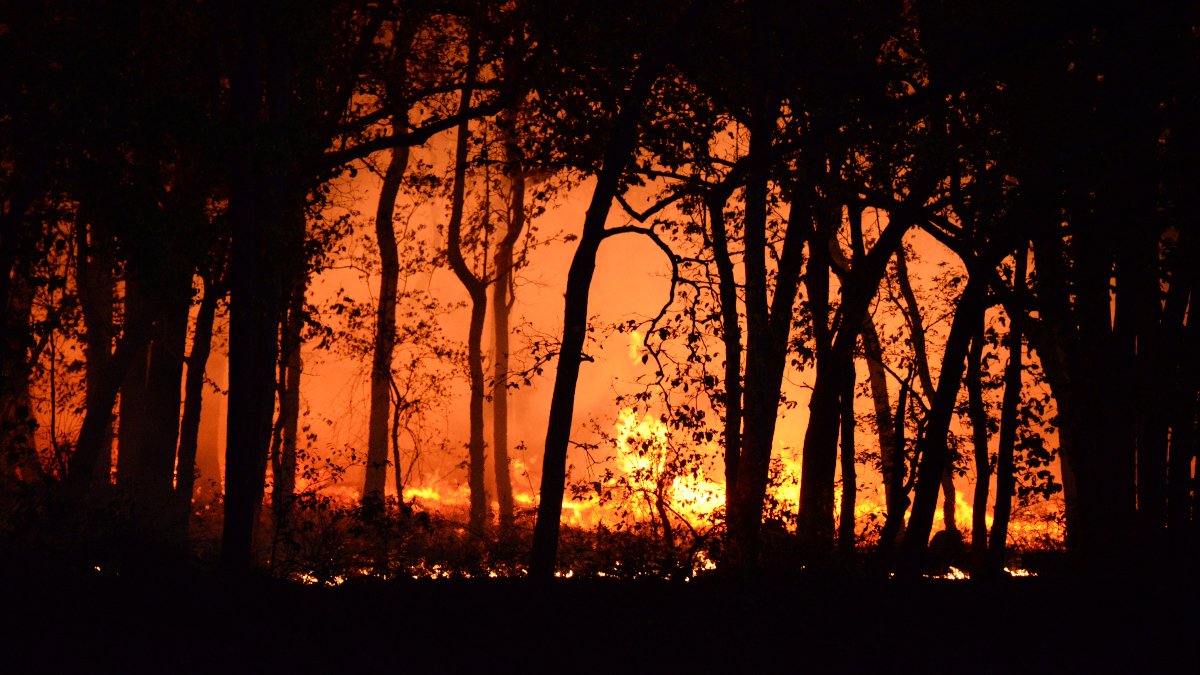

The Canada Wildfires 2026 situation has become one of the biggest environmental challenges facing the country, with rising temperatures, dry conditions, and rapidly spreading fires putting several regions under pressure. Communities across Canada are dealing with smoke-filled skies, evacuation warnings, and emergency response efforts as authorities continue battling some of the most challenging wildfire conditions of the year.
Wildfires are not unusual in Canada, especially during the summer months. However, the increasing intensity and frequency of major fires have raised concerns among residents, firefighters, and climate experts. From damaged forests to disrupted daily life, the impact of the ongoing wildfire season is being felt across multiple provinces.
Why Are Canada Wildfires 2026 Becoming a Growing Concern?
The rise in wildfire activity is linked to a combination of environmental factors. Extended periods of heat, limited rainfall, and dry vegetation have created conditions where fires can start easily and spread quickly.
Many regions across Canada have experienced warmer-than-average temperatures, increasing the risk of drought-like conditions. When forests become extremely dry, even a small spark from lightning, human activity, or equipment can turn into a major wildfire.
Experts have also highlighted that changing weather patterns are making wildfire seasons longer and more difficult to manage. Firefighters are often facing larger areas affected by flames, making containment efforts more complex.
Communities Face Evacuations and Smoke Concerns
One of the biggest impacts of the Canada Wildfires 2026 crisis has been the threat to communities located near affected areas. Authorities have issued evacuation alerts and orders in regions where fires have moved closer to residential areas.
For many residents, wildfire season has brought uncertainty as families prepare emergency plans, pack essential supplies, and wait for updates from local officials.
Beyond areas directly affected by flames, smoke from wildfires has also become a major concern. Smoke can travel hundreds or even thousands of kilometres, affecting air quality in cities far away from active fire zones. People with respiratory conditions, older adults, and children are often advised to take extra precautions during periods of poor air quality.
The Impact on Canada’s Environment and Economy
The effects of wildfires extend beyond immediate damage. Large-scale fires can destroy forests, affect wildlife habitats, and impact ecosystems that take years to recover.
Canada’s forestry sector, tourism industry, and local businesses can also experience disruptions. Areas known for outdoor recreation may see fewer visitors due to safety concerns, while communities dependent on natural resources may face economic challenges.
Transportation can also be affected when smoke reduces visibility or when fires threaten highways and railway routes. This can create delays in the movement of goods and impact supply chains in certain regions.
How Firefighters Are Responding to the Crisis
Thousands of firefighters, emergency workers, and support teams are working across affected regions to control the spread of fires. Their efforts include creating firebreaks, conducting controlled burns, protecting communities, and monitoring changing weather conditions.
Canada also receives support from international firefighting teams during particularly difficult wildfire seasons. Cooperation between provinces and countries helps increase available resources when local firefighting capacity is stretched.
Despite advanced technology and improved forecasting methods, wildfires remain difficult to predict because weather conditions can change rapidly.
Are Canada Wildfires Linked to Climate Change?
Scientists have increasingly studied the connection between climate change and worsening wildfire conditions. Rising global temperatures can contribute to hotter summers, drier landscapes, and longer periods where wildfires are more likely to occur.
While every wildfire has multiple causes, experts say climate-related changes are influencing the environment in ways that can increase the possibility of extreme fire events.
The growing wildfire threat has pushed governments to focus on stronger prevention strategies, improved emergency planning, and investments in wildfire management.
What Canadians Should Know During Wildfire Season
Residents are encouraged to stay updated through official emergency alerts and follow instructions from local authorities. Preparing an emergency kit, understanding evacuation routes, and monitoring air quality reports can help families stay ready.
Travelers visiting wildfire-prone regions should also check local conditions before planning outdoor activities. Road closures, air quality warnings, and changing fire situations can affect travel plans without much notice.
Looking Ahead
The Canada Wildfires 2026 crisis highlights the growing challenge of managing extreme weather events in the country. While firefighters continue working to contain active fires, experts emphasize that prevention, preparedness, and long-term environmental planning will play an important role in reducing future risks.
As Canada moves through another difficult wildfire season, communities across the country remain focused on safety, recovery, and building stronger systems to face future challenges.

Shweta Malik is a content writer and journalist contributing to StudioX News. With a background in digital and print media—including reporting and editorial roles at Zee Media and The Tribune—she focuses on delivering engaging, original reporting. She holds an M.A. in Journalism and Mass Communication from Kurukshetra University.