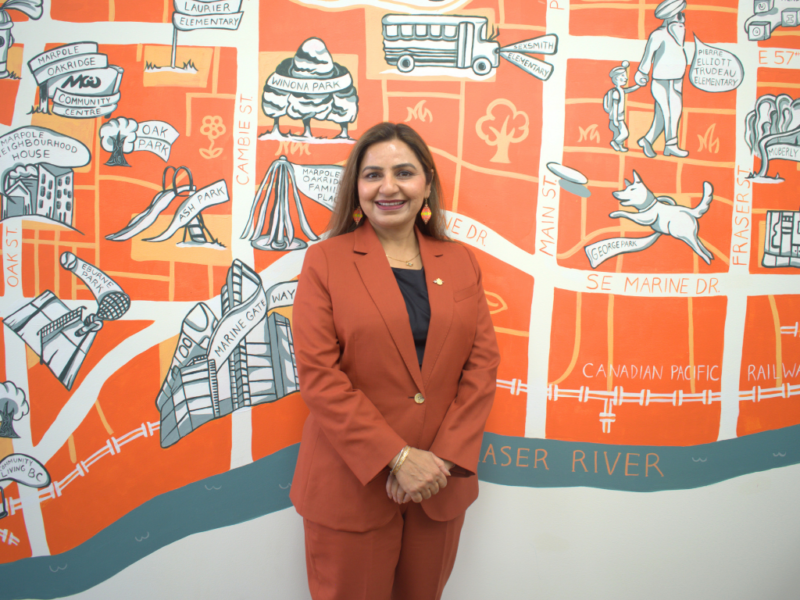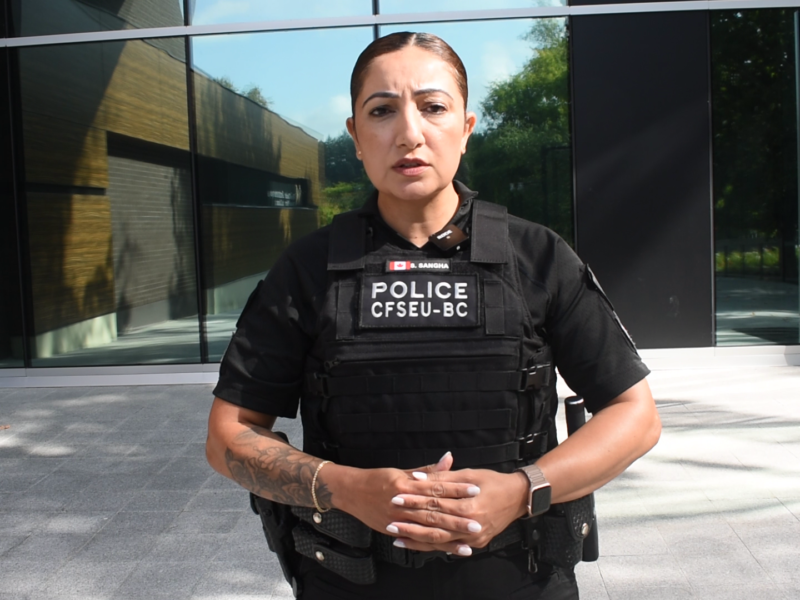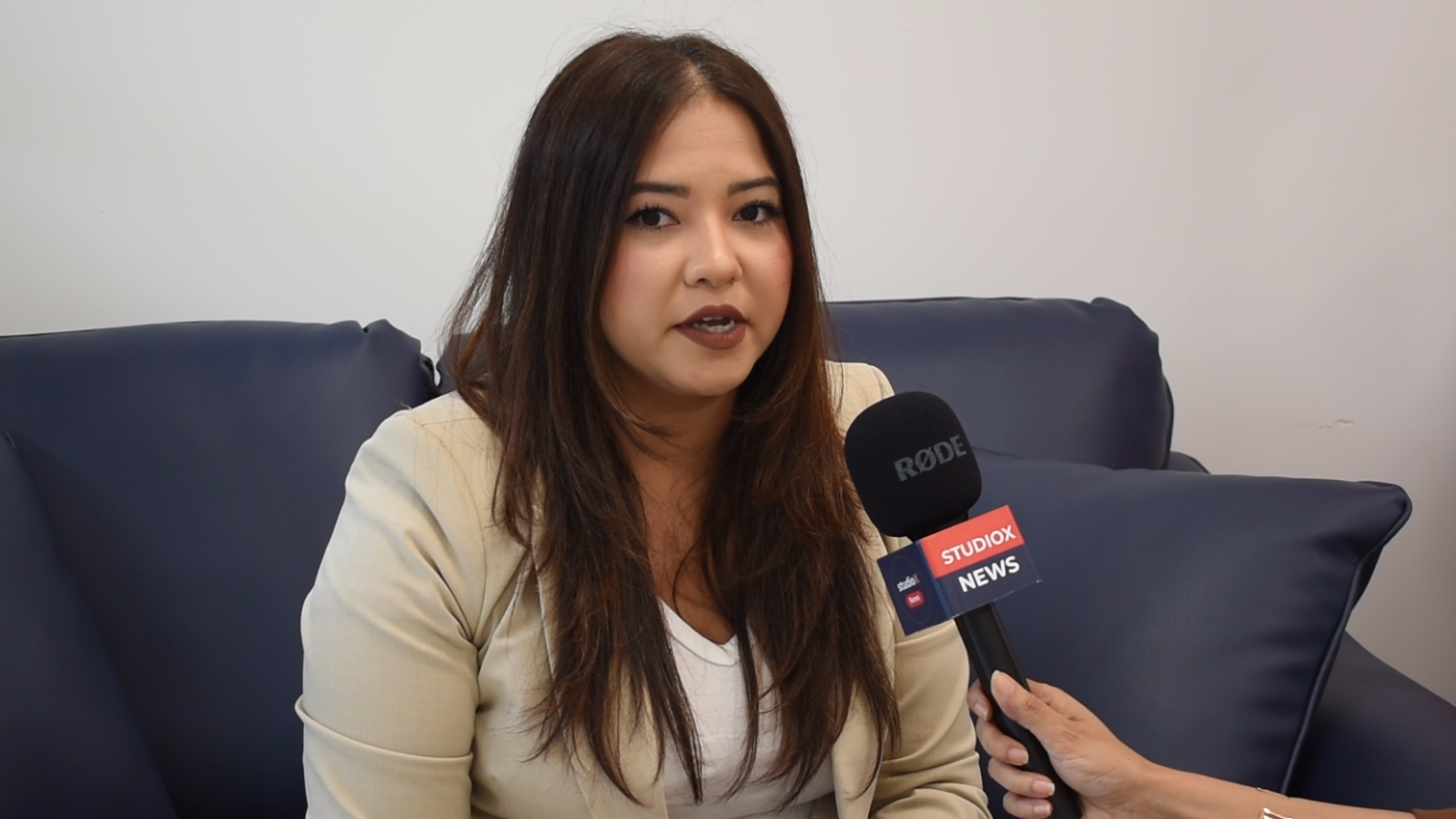

Surrey, B.C. – If you live in Surrey, you already know the city is growing fast — and that growth brings both opportunity and pressure. In this conversation, Amna Shah, MLA for Surrey-City Centre and parliamentary secretary for anti-racism initiatives, shared what the province is doing on some of the biggest issues residents face: racism, unfair pricing, health-care access, job training and public transit.
The common thread is fairness. Whether it is making sure people can report racist incidents, protecting consumers from surveillance pricing, or creating better pathways into good-paying jobs, the goal she described is a more equitable everyday life for people who live and work in Surrey. Here’s what stood out — and what it could mean for your community.
Racism in Surrey Is Real — and the Government Says It Needs a Direct Response
Amna Shah did not downplay the problem. When asked about racism in everyday life, she said plainly that racism is a very real thing in our communities and noted that some communities have seen a rise in racist incidents.
That matters because conversations about racism can stay vague. In this case the response was specific. The government has been working on anti-racism policy for a significant period, and on June 1, 2026, it released its first Anti-Racism Action Plan. The two-year plan, running through May 2028, sets 37 commitments across 17 core ministries and agencies. It is designed to make government services fairer for Indigenous and racialized people.
What that means for residents is that the issue is being treated as a service and systems problem, not only a social one. If people experience discrimination, the expectation is clear tools, clear pathways and clear accountability. Attorney General Niki Sharma released the plan in Surrey with Shah and Hasan Alam, chair of the Provincial Committee on Anti-Racism. A first update report is scheduled for September 2027.
A Helpline Is Already in Place
One of the most practical parts of the response is the Racist Incident Helpline. Shah said if someone experiences racism and does not know where to turn, they can call for help.
The official number is 1-833-457-5463 (1-833-HLP-LINE), weekdays 9 a.m. to 5 p.m. Pacific. After hours, callers can leave a voicemail. Service is offered in more than 240 languages. In an emergency, call 911. Details: racistincidenthelpline.ca.
Shah said thousands of calls have already come through the line and that more than 95% of people are happy with the service they received. A July 2026 provincial update said that in 2025-26 the helpline received calls from 673 people and made more than 1,600 referrals to legal, mental-health and peer supports.
If you are trying to understand what anti-racism policy looks like outside a press release, this is a working example: a public issue, a direct reporting tool, and a commitment to improve how support is delivered.
What Surveillance Pricing Is — and Why Shah Wants to Act on It
Another file Shah is working on is surveillance pricing, a term many people may not know even if they have felt its effects. In simple terms, it is when companies use your data — including browsing history or previous purchases — to decide what price you will pay.
That can mean two people looking at the same item do not see the same price. If that sounds unfair, that was Shah’s point.
She said surveillance pricing can unfairly target people and that government needs to be proactive. Her motion is meant to gather information from constituents, community groups and organizations so the issue can be addressed with evidence and real-world examples.
Why This Matters to Consumers
This is not only a technology-policy issue. It affects ordinary shopping.
If companies can use your online behaviour to change prices, the old idea of a straightforward market gets less clear. You are no longer just comparing products — the system may also be comparing you. That is an uneven playing field, especially for people already stretching a budget.
Shah also connected the file to small business. The same motion includes work on removing restrictive covenants that can block smaller businesses, including grocery stores, from opening in certain areas.
The bigger picture is fairness on both sides:
- Consumers should not be unfairly targeted.
- Small businesses should not be locked out by outdated site restrictions.
The motion, tabled in May 2026 and expected to be debated in the fall session, urges the B.C. government to strengthen consumer protection against algorithmic personalized pricing, enhance price transparency, and review grocery-store property covenants that may limit competition.
Surrey’s Growth Depends on Health Care and Job Training
If you ask most growing cities what they need, the answers usually include roads, housing and services. Shah pointed to two other priorities: health infrastructure and training opportunities.
One of the biggest developments she mentioned is Surrey’s new medical school. The first 48 students at the SFU Stephens Family School of Medicine began orientation at SFU’s Surrey campus on Aug. 5, 2026 — the first new medical school in B.C. in nearly 60 years. It is a three-year, year-round program. Graduates are expected to start residencies as early as 2029, with class size planned to grow to 120 a year by 2035.
A medical school is not just a campus story. It is a workforce strategy. If Surrey wants better long-term access to care, it needs to train health professionals locally and keep them connected to the communities they serve. The largest share of the first class came from the Fraser Health region.
Training People for Better Jobs
Shah also highlighted training seats at Kwantlen Polytechnic University and other options for youth and adults to train or retrain for good-paying jobs.
That matters because not everyone needs a four-year degree to move into a strong career. In a fast-growing region, people need flexible options to upskill, switch fields or start in industries where demand is high.
The emphasis was practical:
- Give youth a path into work.
- Let adults retrain when their jobs change.
- Strengthen the local economy by building local talent.
That is especially important in Surrey, where population growth puts pressure on services and also creates new labour demand. If the city is going to keep growing well, residents need access not just to jobs, but to the training that helps them qualify.
Public Transit and Bridge Projects Are About Saving Time
The infrastructure discussion came back to one fact: Surrey is big, and people spend too much time getting around.
Shah said public transit is very important, especially where residents need better options for moving quickly from place to place. Better transit is more than convenience. It is how people get where they need to go without sitting in traffic.
She pointed to major projects such as the Surrey-Langley SkyTrain, as well as bridge projects that are helping people move through the region. According to Shah, the community has responded more positively to newer bridge infrastructure than to older routes.
Why Transit Matters for Families
The transit conversation became clearest when it turned to daily commuters and younger families. Shah said the new SkyTrain will be “huge” because it changes how people travel, especially people who drive and get stuck in traffic.
Faster transit is not just about moving more people. It is about:
- Spending less time in congestion
- Getting home sooner
- Having more time with family
- Reducing daily stress
For young families, time is everything. If a better commute saves 20 or 30 minutes a day, that adds up over a month or a year. In that sense, transit is not only a transportation issue — it is a quality-of-life issue.
What Residents Should Take Away
The strongest theme across this conversation is that the province is trying to solve everyday problems with concrete tools. That includes an anti-racism action plan, a racist incident helpline, consumer-protection work on surveillance pricing, investment in a new medical school, training opportunities at KPU, and infrastructure projects that make daily life easier.
These are different issues. They point in the same direction: a fairer, more functional community. If you live in Surrey, these policies affect how safe you feel, how much you pay, how quickly you get around, and what opportunities are available to you and your family.
The next step for residents is to stay informed and use the channels that are already open. If you experience racism, if you have concerns about unfair pricing, or if you want to understand how local training and transit projects may affect you, those are the conversations to have now — not later.
Surrey’s future will not be shaped by one project or one policy. It will be shaped by whether residents can access opportunity, participate safely in community life, receive the services they need, and spend less time dealing with barriers that should not exist in the first place.
Frequently Asked Questions
What is surveillance pricing?
Surveillance pricing is when companies use your data — such as browsing history or past purchases — to adjust the price you see for a product. It can create unfair differences in pricing between consumers.
What should I do if I experience racism in my community?
If you are not sure where to turn, Shah pointed to the Racist Incident Helpline as a first step: 1-833-457-5463, weekdays 9 a.m. to 5 p.m. Pacific, more than 240 languages. In an emergency, call 911. racistincidenthelpline.ca
Why is a medical school important for Surrey?
A local medical school helps train doctors closer to the communities they will serve. The SFU Stephens Family School of Medicine welcomed its first 48 students in August 2026.
How will the Surrey-Langley SkyTrain help residents?
It is expected to improve travel options and make it easier for people to get around without spending as much time in traffic.
Why are training seats at KPU important?
They give youth and adults a way to train or retrain for good-paying jobs. That helps people adapt to a changing economy and supports local growth.
Quick Facts
- Who: Amna Shah, MLA Surrey-City Centre; parliamentary secretary for anti-racism initiatives
- Anti-Racism Action Plan: released June 1, 2026; 37 commitments; through May 2028
- Helpline: 1-833-457-5463 · racistincidenthelpline.ca
- Pricing motion: tabled May 2026; fall-session debate; surveillance pricing and grocery covenants
- Medical school: SFU Stephens Family School of Medicine; first 48 students, Aug. 5, 2026
- Transit: Surrey-Langley SkyTrain and regional bridge projects
StudioX News Canada — Local information. Canada-first.

Harnaik Singh Rathor is the Founder, Publisher, and Editor-in-Chief of StudioX News Canada, Canada's multilingual digital news network serving diaspora communities across 44 languages. With a background in media production, public relations, and multicultural communications, he founded StudioX Film and TV Corporation to bridge the gap between mainstream Canadian media and the country's diverse immigrant communities. He is a member of the Canadian Association of Journalists (CAJ), RTDNA Canada, CPRS Vancouver, Unifor, NEPMCC, and the Canada Freelance Union. Based in Surrey, British Columbia. | LinkedIn: https://www.linkedin.com/in/harnaiksinghrathor/ | Muck Rack: https://muckrack.com/harnaiksinghrathor | Email: editor@studioxnews.ca