
Ontario’s Wildfires Set New Records as Massive Blazes Push 2026 Fire Season Into Crisis
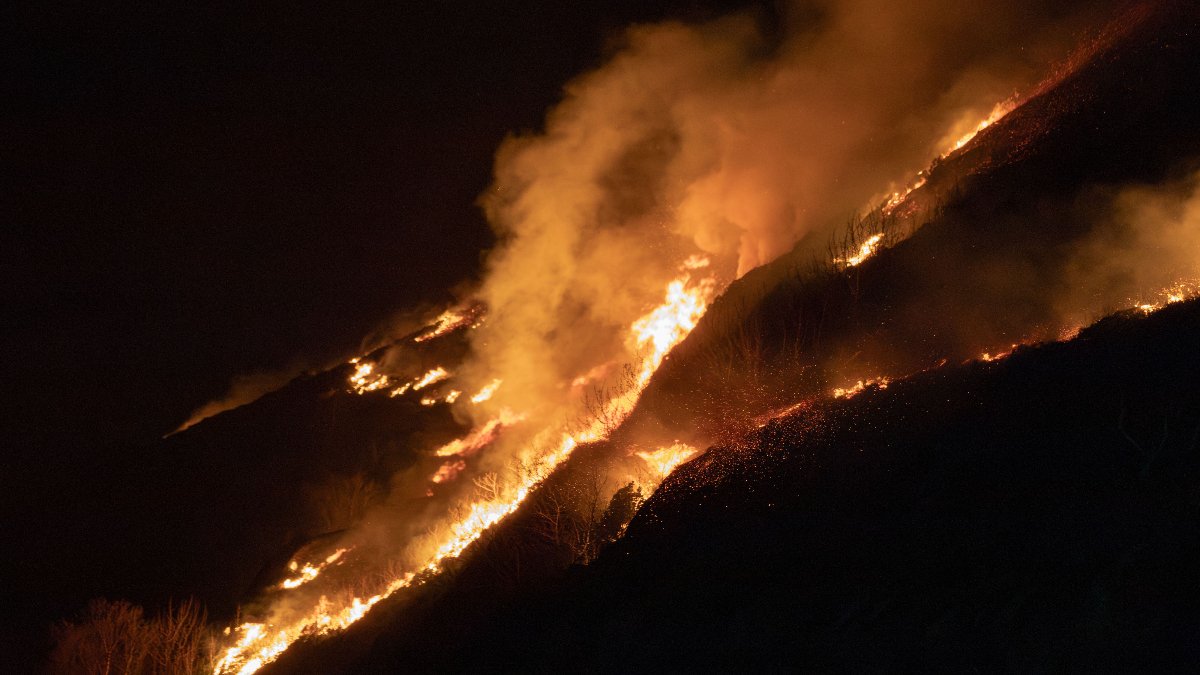
Ontario is facing one of its most challenging wildfire seasons in recent history as Ontario Wildfires continue spreading across northern parts of the province, with early estimates showing unprecedented damage to forests and communities.
Officials and wildfire experts say the scale and speed of the fires have raised serious concerns, with thousands of residents affected, communities evacuated, and large areas of forest destroyed. The latest figures suggest that the 2026 wildfire season could become one of Ontario’s worst on record.
The situation has intensified discussions around emergency preparedness, climate conditions, firefighting resources, and how governments respond to increasingly severe wildfire events.
Ontario Wildfires Surpass Previous Records
Recent estimates indicate that wildfires across northern Ontario have burned more forest area than any previous year on record. The province’s latest numbers suggest fires have consumed more than 7,250 square kilometres of forest, surpassing the previous record set in 2021.
Officials say much of the destruction happened within a short period as several fast-moving fires expanded rapidly due to dry conditions, strong winds, and challenging firefighting conditions.
Unlike smaller seasonal fires that can often be contained quickly, many of the current blazes are located in remote regions where access is difficult and suppression efforts become more complicated.
A Rapidly Escalating Fire Emergency
The 2026 wildfire season started with warning signs as officials monitored increasing fire risks across Canada. By July, wildfire activity had grown significantly, with hundreds of active fires reported nationally and millions of hectares affected across the country.
In Ontario, firefighters have been battling multiple large-scale fires while emergency teams work to protect communities and support evacuations.
The province has seen evacuations affecting several Indigenous communities and northern residents as fires moved closer to populated areas.
Why This Year’s Wildfire Season Is So Severe
Experts point to a combination of environmental factors behind the intensity of Ontario Wildfires.
Some major contributing factors include:
- Extended dry conditions
- Higher temperatures
- Dry vegetation acting as fuel
- Strong winds accelerating fire growth
- Changing climate patterns
Warmer temperatures and reduced moisture levels can create conditions where fires ignite more easily and spread faster.
Climate experts have warned that increasing heat and changing weather patterns are making wildfire seasons longer and more unpredictable across Canada.
Communities Face Evacuations and Uncertainty
For many residents in northern Ontario, the wildfire crisis has created weeks of uncertainty.
Families have been forced to leave their homes, while emergency officials coordinate temporary accommodations, transportation, and essential support.
Several Indigenous communities have been particularly affected, with leaders raising concerns about emergency communication, evacuation planning, and long-term recovery support.
Community leaders say protecting vulnerable populations must remain a priority as wildfire risks continue to increase.
Pressure Builds on Ontario Government
The severity of the wildfire season has increased political pressure on Ontario’s government, with questions being raised about firefighting resources, emergency planning, and long-term wildfire strategies.
Some critics argue that governments need to invest more heavily in prevention, forest management, and climate adaptation measures before future disasters occur.
Officials, however, have emphasized the challenges of fighting fires across Ontario’s vast wilderness areas and highlighted the work of firefighters, pilots, emergency crews, and community organizations.
Impact Beyond Ontario’s Borders
The effects of Ontario’s wildfire season have extended beyond the province.
Smoke from Canadian wildfires has affected air quality in parts of Canada and the United States, leading to health warnings and reduced visibility in several regions.
Poor air quality caused by wildfire smoke can create risks for people with respiratory conditions, older adults, children, and outdoor workers.
What Happens Next?
With several weeks of summer remaining, officials warn that wildfire risks could continue depending on weather conditions.
Emergency agencies are monitoring forecasts closely while firefighters remain focused on containment efforts.
Experts say preventing future wildfire disasters will require a combination of stronger preparedness, improved response systems, better community planning, and action on climate-related risks.
Final Thoughts
The growing scale of Ontario Wildfires has turned the 2026 season into a major environmental and public safety challenge. Record-breaking burned areas, evacuations, and widespread smoke impacts have highlighted the increasing difficulty of managing wildfires in a changing climate.
As firefighting crews continue their efforts, communities across Ontario are waiting for relief while governments face growing calls to strengthen wildfire prevention and emergency response plans.

Shweta Malik is a content writer and journalist contributing to StudioX News. With a background in digital and print media—including reporting and editorial roles at Zee Media and The Tribune—she focuses on delivering engaging, original reporting. She holds an M.A. in Journalism and Mass Communication from Kurukshetra University.