
The Honourable Bill Blair, Canada’s Minister of Public Safety and Emergency Preparedness, recently issued a statement acknowledging Fire Prevention Week, an annual observance dedicated to raising awareness about fire safety across the nation. This significant week serves as a crucial reminder for Canadians to prioritize preventive measures and enhance their understanding of fire risks, thereby protecting lives and property. The Minister’s statement underscores the federal government’s commitment to public safety and highlights the ongoing collaborative efforts required from individuals, families, and communities to foster a culture of preparedness.
The Significance of Fire Prevention Week
Fire Prevention Week is observed every October, a tradition that dates back to the Great Chicago Fire of 1871. It is the longest-running public health observance in North America, highlighting the enduring need for continuous education and vigilance regarding fire safety. Each year, the campaign focuses on specific themes designed to address prevalent fire hazards and promote effective prevention strategies. These themes often encourage discussions around common household fire causes, the importance of emergency planning, and the proper maintenance of fire safety equipment. The overarching goal of this annual event is to reduce fire-related injuries, fatalities, and property damage through heightened public awareness and proactive measures. For many Canadians, it represents an opportune moment to review their existing safety protocols and implement new ones, ensuring their homes and workplaces are as secure as possible against the threat of fire. The consistent attention brought by such a campaign is vital in a country with diverse climates and varied housing structures, each presenting unique challenges for fire prevention. Public Safety Canada, through its various initiatives, supports and amplifies these messages, working to ensure that crucial fire safety information reaches all segments of the population.
Essential Safety Measures for Homes and Communities
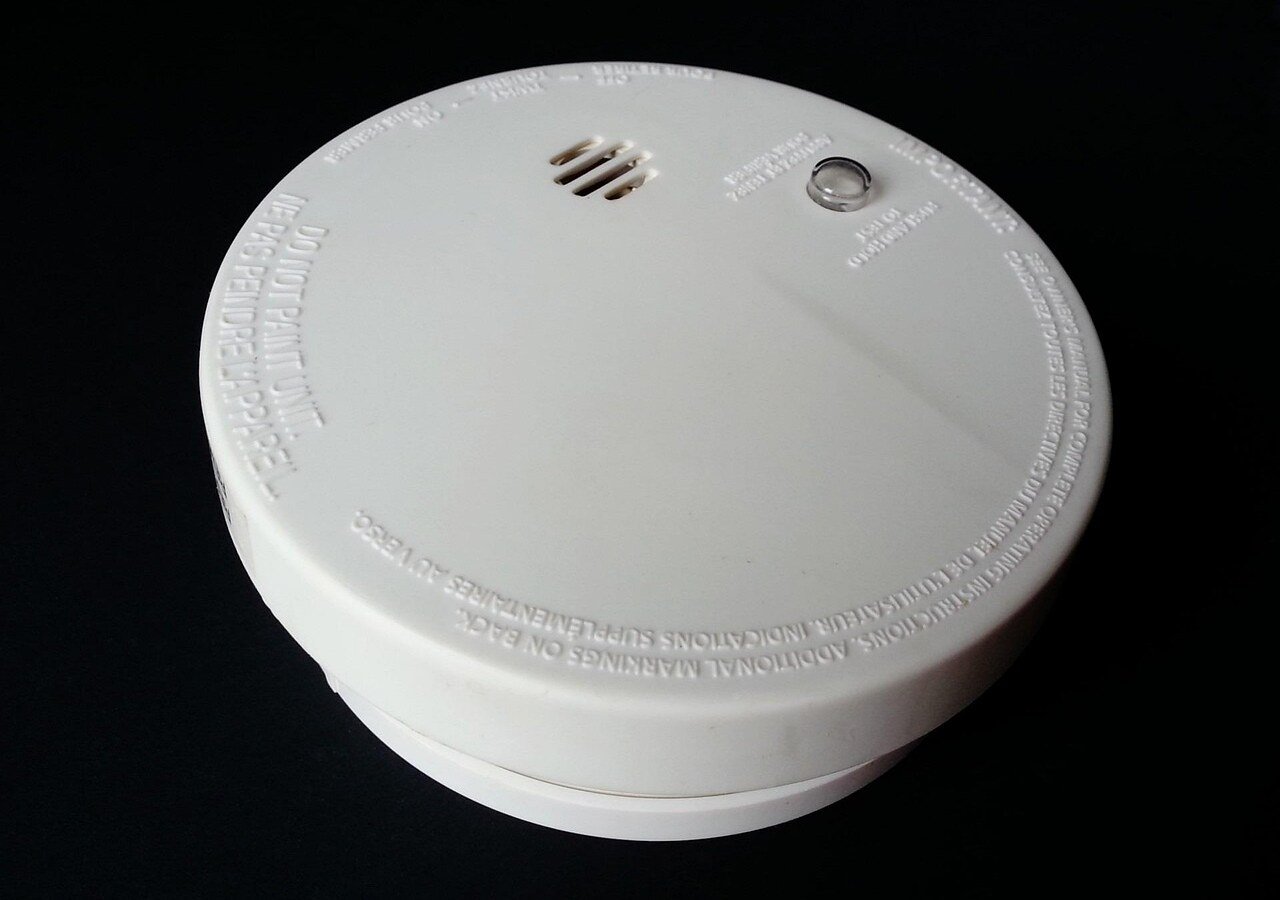
A core component of Fire Prevention Week involves educating the public on essential fire safety measures that can significantly mitigate risks. Among the most critical recommendations is the installation and regular testing of smoke alarms. These devices provide early warning, which is often the difference between life and death, allowing occupants precious time to escape a developing fire. It is generally advised that smoke alarms be tested monthly and batteries replaced annually, with the units themselves being replaced every ten years. Beyond smoke alarms, creating and practicing a home escape plan is paramount. Families are encouraged to designate two ways out of every room, establish a safe meeting point outside the home, and practice their escape plan at least twice a year. This preparedness ensures that everyone knows what to do in an emergency, reducing panic and improving the chances of a safe evacuation. Moreover, the campaign frequently addresses common fire hazards such as unattended cooking, improper use of heating equipment, overloaded electrical outlets, and careless handling of smoking materials. Each of these represents a significant risk that can be managed through simple precautions, demonstrating that effective fire prevention largely depends on consistent attention to detail and responsible behaviour within the home and community environments.
A Shared Responsibility for Public Safety
The effectiveness of fire prevention initiatives hinges on a collective commitment from all members of society. While federal statements, such as the one from Minister Blair, set a national tone for awareness, the implementation and impact occur at local levels. Municipal fire departments play a critical role, conducting outreach programs, offering safety inspections, and responding to emergencies. They are often at the forefront of educating residents, especially children, about fire safety. Community organizations, schools, and workplaces also contribute by organizing drills, disseminating information, and fostering environments where safety is prioritized. The message consistently reinforced is that fire safety is not solely the responsibility of emergency services but a shared obligation. Every individual’s actions, from properly disposing of hazardous materials to ensuring clear exit routes, contribute to the overall safety of their neighbourhood. The government’s continued emphasis on Fire Prevention Week serves as a renewed call to action, urging Canadians to not only protect themselves and their immediate families but also to consider the broader implications of fire safety for their communities. Through ongoing education, diligence, and cooperation, the risks associated with fires can be substantially reduced, leading to safer, more resilient communities across Canada.
Image: {‘photographer’: ‘PublicDomainPictures’, ‘source’: ‘pixabay’, ‘url’: ‘https://pixabay.com/users/PublicDomainPictures-14/’}
Compiled by StudioX News editorial desk from official and public news sources.