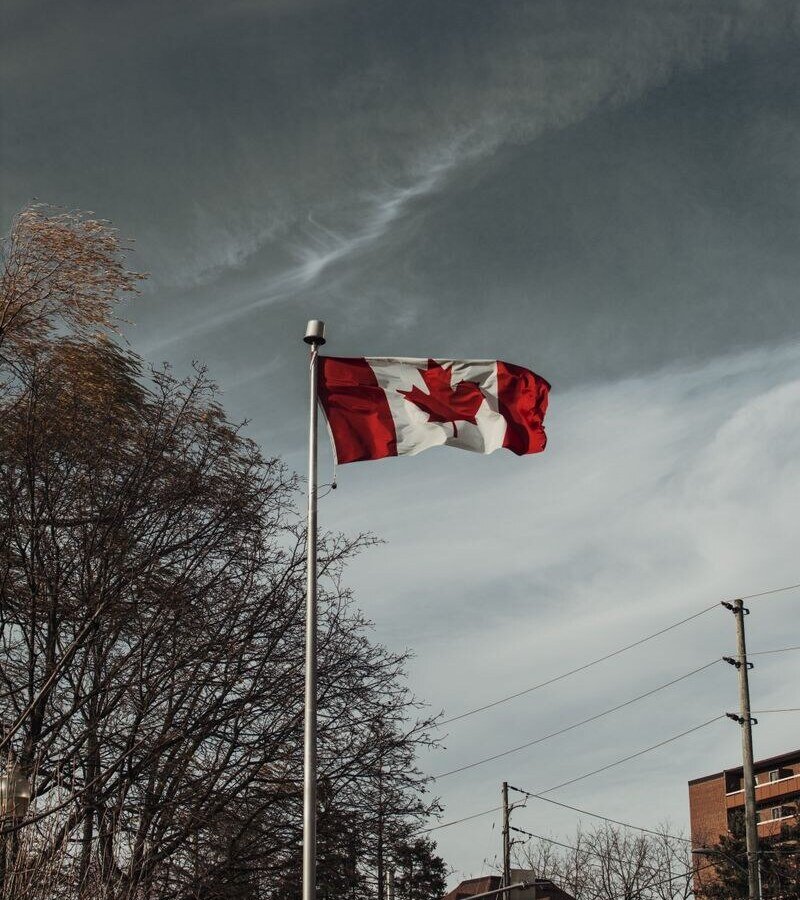

A growing divide in societal stability is reshaping North America’s global standing. According to the 2026 Global Peace Index (GPI), released by the Institute for Economics and Peace, Canada has retained its position among the world’s safest countries, while the United States has continued its downward slide amid rising political tensions and declining social cohesion. The report evaluates 163 countries and territories using 23 indicators across three key domains: societal safety and security, ongoing domestic and international conflict, and militarization.
What the Global Peace Index Measures
The GPI assesses what researchers call “negative peace”—the absence of violence and conflict—through three core categories:
Ongoing Domestic and International Conflict
Societal Safety and Security, including crime levels, political stability, terrorism, and violent demonstrations
Militarization, including military spending, weapons access, and military activity
Together, these indicators provide one of the world’s most widely referenced snapshots of national stability and peacefulness.
Canada Remains a Regional Leader, Despite Emerging Challenges
Canada ranked 14th globally for the second consecutive year and maintained its status as the most peaceful country in North and Central America. The country continues to earn a “high” peacefulness rating, outperforming regional peers and remaining firmly within the world’s top 20.
Metric Canada
Global Rank 14th
Regional Rank 1st (North & Central America)
2026 Score 1.525
2025 Score 1.491
Lower scores indicate higher levels of peace. While Canada’s overall position remained unchanged, the report notes a modest deterioration in its score compared with last year. Improvements in safety and security indicators were offset by an increase in violent demonstrations and slight declines in conflict and militarization measures. Over the longer term, Canada’s Safety and Security score has deteriorated by 7.7% since 2008.
Despite these concerns, Canada remains one of the most stable and peaceful countries globally, a distinction few nations have managed to sustain amid growing international instability.
United States Falls Further Amid Rising Political Tensions
The contrast south of the border is far more pronounced. The United States dropped from 128th to 134th place, placing it in the lower tier of the global rankings and earning a “low” peacefulness classification. The country now ranks between Venezuela and Ecuador on the index.
Global Peace Index Trend
Canada: 14th → 14th (Stable)
United States: 128th → 134th (Declining)
According to the report, the U.S. experienced a 4% deterioration in peacefulness during the past year. The decline was largely driven by worsening scores in the Safety and Security and Ongoing Conflict domains.
Key factors behind the drop include:
Rising Political Violence
The report states that political violence in the United States has reached its highest levels since the 1970s, reflecting deepening divisions and increasing distrust in public institutions.
Growing Social Fragmentation
Sharp ideological polarization, concerns about public safety, and declining institutional trust continue to weaken social cohesion across the country. Indicators related to political instability and violent demonstrations recorded some of the most significant deteriorations in the latest assessment.
A Reflection of a Troubled Global Landscape
The divergence between Canada and the United States comes against a backdrop of worsening global peace.
The 2026 Global Peace Index found that global peacefulness declined again this year, extending a long-term trend of deterioration that has persisted for nearly two decades. Researchers point to a record number of active conflicts worldwide, rising geopolitical tensions, and increasing military expenditures as key drivers of the decline.
At the top of the rankings, Iceland once again secured the title of the world’s most peaceful nation, followed closely by New Zealand.
The report also highlights the growing influence of artificial intelligence on global security. While AI-powered technologies—particularly autonomous drones—are reshaping modern warfare, investments in AI-driven peacebuilding initiatives remain fragmented and significantly underfunded.
For Canadians, the latest rankings reinforce the country’s reputation as one of the safest and most stable places in the world, even as emerging social pressures warrant attention. For the United States, the findings serve as a stark reminder of the costs associated with escalating political polarization and institutional distrust.
As global instability continues to rise, Canada’s ability to remain among the world’s most peaceful nations stands out as an increasingly rare achievement.

Harnaik Singh Rathor is the Founder, Publisher, and Editor-in-Chief of StudioX News Canada, Canada's multilingual digital news network serving diaspora communities across 44 languages. With a background in media production, public relations, and multicultural communications, he founded StudioX Film and TV Corporation to bridge the gap between mainstream Canadian media and the country's diverse immigrant communities. He is a member of the Canadian Association of Journalists (CAJ), RTDNA Canada, CPRS Vancouver, NEPMCC, and the Canadian Freelance Union (Unifor). Based in Surrey, British Columbia. | LinkedIn: https://www.linkedin.com/in/harnaiksinghrathor/ | Muck Rack: https://muckrack.com/harnaiksinghrathor | Email: editor@studioxnews.ca