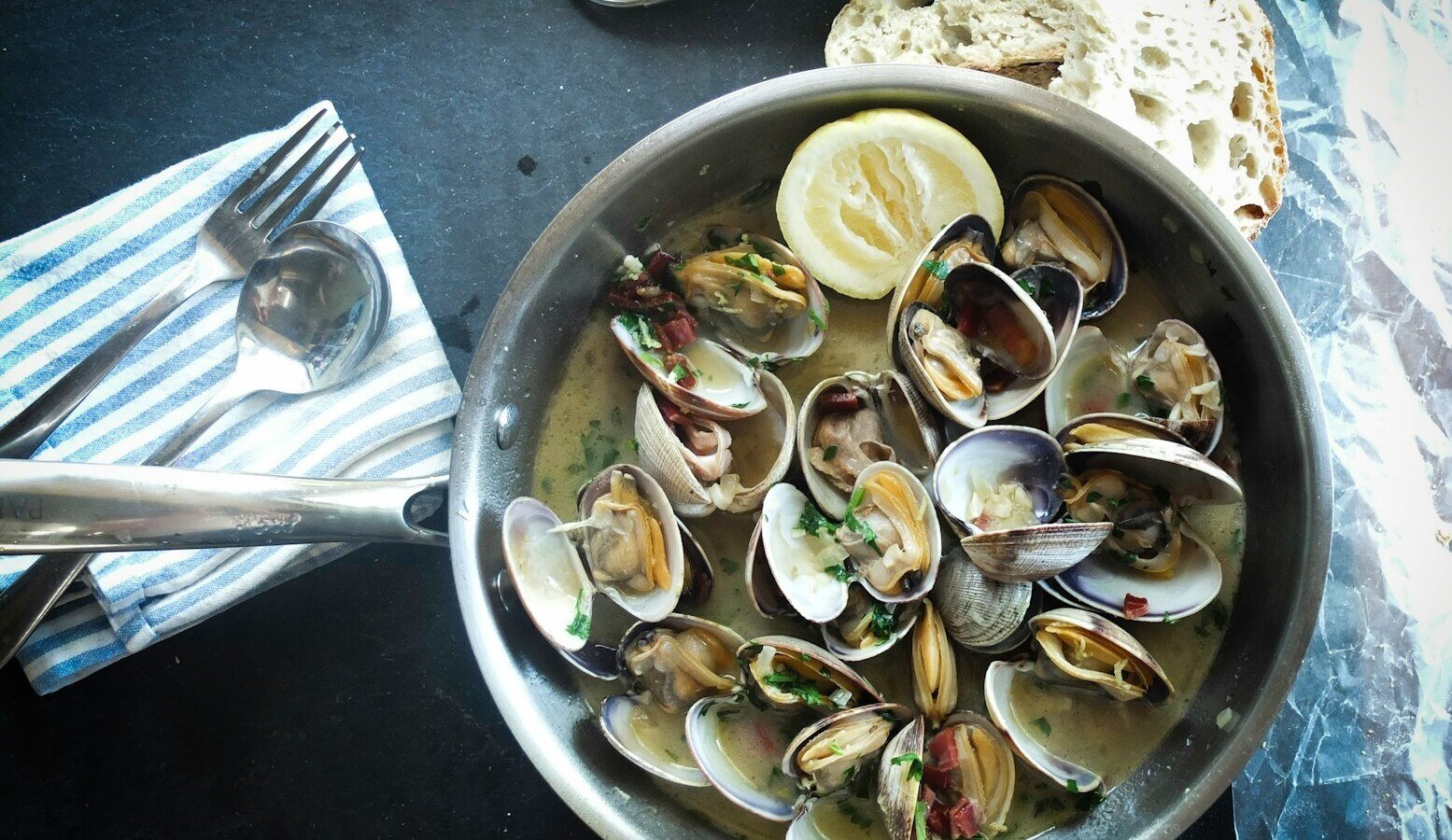

Health officials in British Columbia are urging residents and visitors to exercise caution when harvesting or consuming shellfish this summer, as warming coastal waters create conditions that can lead to dangerous levels of marine toxins.
The warning, issued by the B.C. Centre for Disease Control (BCCDC), comes as seasonal algae blooms begin to increase along the province’s coastline. These naturally occurring blooms can produce toxins that accumulate in shellfish and other marine organisms, posing serious health risks to anyone who consumes contaminated seafood.
Why Are Shellfish at Risk?
During the warmer summer months, certain microscopic marine algae thrive and multiply rapidly in coastal waters. Some of these algae produce harmful biotoxins that can enter the marine food chain.
Shellfish are particularly vulnerable because they are filter feeders. As oysters, clams, mussels, and scallops draw seawater through their systems to obtain nutrients, they can accumulate these toxins without showing any visible signs of contamination.
Health officials note that the risk is not limited to shellfish alone. Other plankton-feeding marine species, including cockles, whelks, prawns, and squid, may also be affected during periods of elevated toxin activity.
One of the most concerning aspects of marine biotoxins is that they cannot be eliminated through food preparation. Cooking, freezing, smoking, or canning contaminated shellfish does not destroy the toxins, meaning seafood may appear safe to eat while still carrying significant health risks.
Understanding the Health Risks
Consuming contaminated shellfish can lead to several forms of marine biotoxin poisoning. Symptoms may appear within minutes, several hours, or, in some cases, up to 48 hours after consumption.
One of the most serious illnesses is Paralytic Shellfish Poisoning (PSP). Early symptoms often begin with tingling or numbness around the lips and tongue before spreading to other parts of the body. More severe cases can cause muscle weakness, difficulty swallowing, and respiratory distress, which may require emergency medical treatment.
Another concern is Amnesic Shellfish Poisoning (ASP). Individuals affected may initially experience nausea, vomiting, and diarrhea, followed by neurological symptoms such as confusion, disorientation, and short-term memory loss.
People may also develop Diarrhetic Shellfish Poisoning (DSP), which primarily affects the digestive system and can cause severe abdominal cramps, nausea, vomiting, and diarrhea.
Because symptoms can worsen quickly, health officials recommend seeking medical attention immediately if illness develops after consuming shellfish.
How to Stay Safe
Authorities are advising recreational harvesters to check local shellfish harvesting advisories before collecting seafood. The Fisheries and Oceans Canada (DFO) shellfish harvesting map and the BCCDC’s online closure updates provide information on active sanitary and biotoxin-related harvesting restrictions.
Consumers purchasing shellfish are encouraged to buy only from reputable retailers, seafood markets, and restaurants that source their products from federally inspected and licensed commercial harvesters. These suppliers are required to follow strict monitoring and testing protocols to help ensure food safety.
Officials also stress the importance of recognizing warning signs of serious poisoning. Anyone who experiences symptoms such as spreading numbness, severe weakness, difficulty swallowing, breathing problems, confusion, or memory loss after eating shellfish should seek emergency medical care immediately or call 911.
A Seasonal Reminder for Coastal Communities
With summer temperatures creating favorable conditions for harmful algae blooms, health experts are reminding the public that vigilance is essential. Staying informed about harvesting closures, purchasing seafood from trusted sources, and understanding the symptoms of shellfish poisoning can significantly reduce the risk of illness.
As British Columbia enters its peak shellfish harvesting season, officials are encouraging everyone to prioritize safety and remain aware of the potential dangers posed by marine toxins lurking beneath otherwise healthy-looking coastal waters.

Harnaik Singh Rathor is the Founder, Publisher, and Editor-in-Chief of StudioX News Canada, Canada's multilingual digital news network serving diaspora communities across 44 languages. With a background in media production, public relations, and multicultural communications, he founded StudioX Film and TV Corporation to bridge the gap between mainstream Canadian media and the country's diverse immigrant communities. He is a member of the Canadian Association of Journalists (CAJ), RTDNA Canada, CPRS Vancouver, NEPMCC, and the Canadian Freelance Union (Unifor). Based in Surrey, British Columbia. | LinkedIn: https://www.linkedin.com/in/harnaiksinghrathor/ | Muck Rack: https://muckrack.com/harnaiksinghrathor | Email: editor@studioxnews.ca