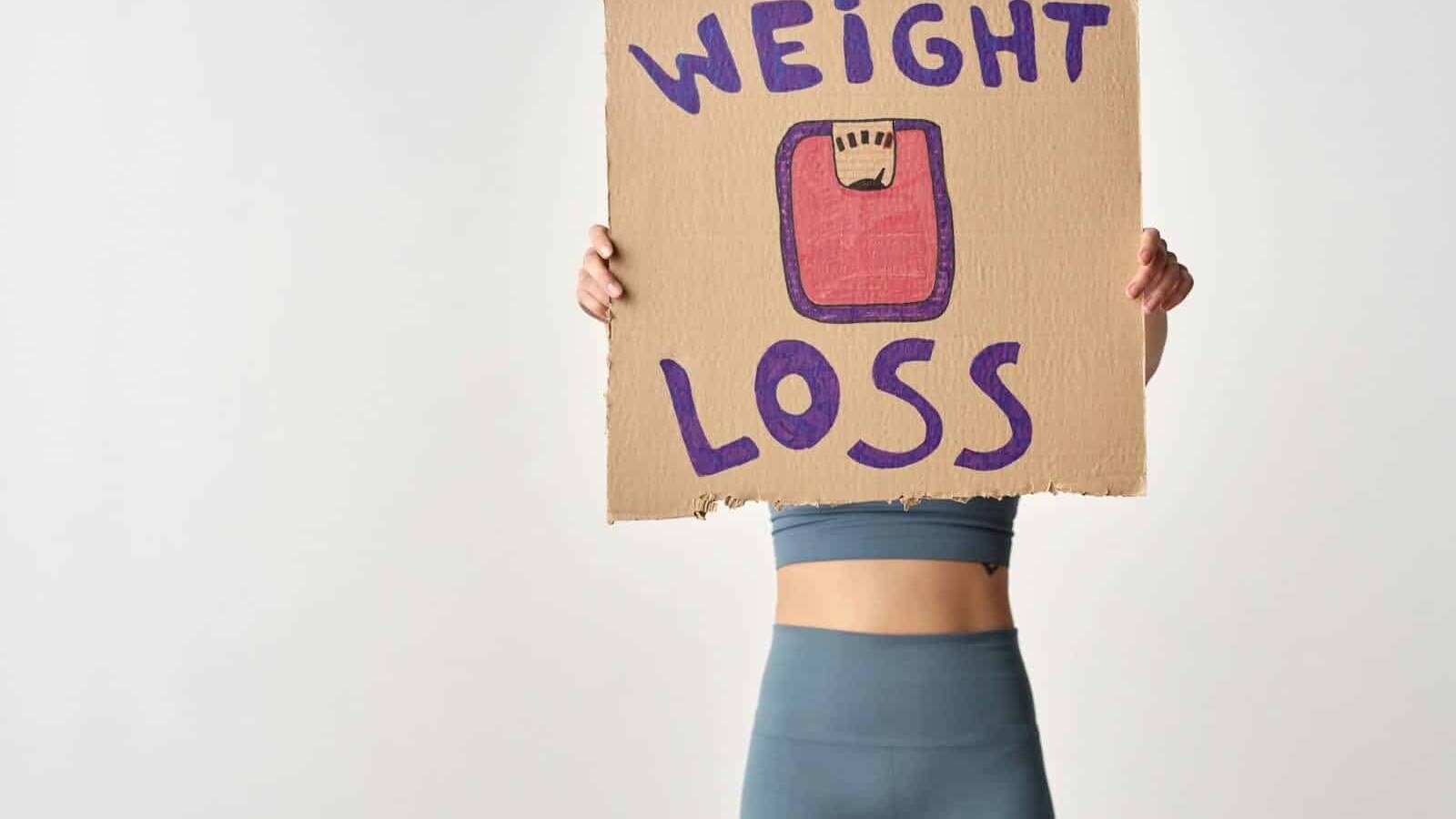

Losing weight is often associated with intense gym sessions, strict workout plans, and exhausting cardio routines. But the truth is, exercise is only one part of the weight-loss equation. Many people successfully lose weight without following a formal workout routine by focusing on their eating habits, lifestyle choices, sleep, and daily movement.
If you dislike exercising, have a busy schedule, or are physically unable to work out, you can still achieve healthy weight loss naturally and sustainably. The key lies in creating a calorie deficit through smarter habits rather than hard workouts.
Focus on Your Diet First
Weight loss largely depends on how many calories you consume versus how many calories your body burns. Even without exercise, reducing calorie intake can help your body use stored fat for energy.
One of the simplest ways to improve your diet is by eating more whole foods. Whole foods such as vegetables, fruits, eggs, lean meats, legumes, nuts, and whole grains are filling and nutrient-dense. They help control hunger while reducing unnecessary calorie intake.
Processed foods, on the other hand, are often loaded with sugar, unhealthy fats, and refined carbohydrates. Chips, sugary drinks, fast food, pastries, and packaged snacks can quickly increase calorie consumption without making you feel full.
Replacing processed meals with homemade, balanced foods can significantly support weight loss without any gym workouts.
Eat More Protein
Protein is one of the most effective nutrients for weight management. It helps reduce hunger, supports muscle maintenance, and keeps you full for longer periods.
Including protein-rich foods in every meal can naturally reduce overeating. Good sources include eggs, chicken, fish, Greek yogurt, lentils, tofu, paneer, and beans.
For example, starting your day with eggs or yogurt instead of sugary cereal may reduce cravings throughout the day. Protein also has a higher thermic effect, meaning your body burns more calories digesting it compared to fats and carbohydrates.
Control Portion Sizes
Many people consume healthy foods but still struggle to lose weight because portion sizes are too large.
Simple portion-control strategies can make a major difference:
Use smaller plates and bowls
Avoid eating directly from large packages
Serve food in the kitchen instead of at the table
Eat slowly and stop when comfortably full
Mindful eating helps your brain recognize fullness signals before you overeat.
Drink More Water
Sometimes the body confuses thirst with hunger. Drinking enough water throughout the day can reduce unnecessary snacking and help control appetite.
Having a glass of water before meals may also help you eat fewer calories. In addition, replacing sugary beverages like soda, sweetened tea, energy drinks, and milkshakes with water can dramatically lower calorie intake.
Even switching from sugary coffee drinks to plain coffee or unsweetened tea can help reduce daily calories.
Improve Sleep Quality
Sleep plays a surprisingly important role in weight management. Poor sleep affects hormones that regulate hunger and cravings.
People who do not sleep enough often experience:
Increased appetite
More cravings for sugary foods
Reduced energy levels
Slower metabolism
Aim for 7–9 hours of quality sleep each night. Maintaining a consistent bedtime, reducing screen time before bed, and limiting caffeine late in the day can improve sleep quality naturally.
Reduce Stress Eating
Stress and emotional eating are common reasons for weight gain. Many people eat not because they are hungry, but because they are bored, anxious, or overwhelmed.
Finding healthier coping mechanisms can prevent unnecessary calorie intake. Helpful alternatives include:
Reading
Meditation
Journaling
Talking with friends
Listening to music
Taking short walks
Managing stress can make healthy eating easier and more consistent over time.
Avoid Liquid Calories
Liquid calories are often overlooked but can contribute heavily to weight gain. Sugary drinks do not provide the same fullness as solid foods, making it easy to consume excess calories without realizing it.
Some of the biggest culprits include:
Soft drinks
Sweetened coffee beverages
Packaged fruit juices
Alcohol
Energy drinks
Switching to water, sparkling water, black coffee, or herbal tea can reduce hundreds of calories daily.
Increase Daily Movement Naturally
Even if you do not exercise formally, increasing everyday movement can help burn more calories.
This is called non-exercise activity thermogenesis (NEAT), which includes activities like:
Walking while talking on the phone
Taking stairs instead of elevators
Cleaning the house
Gardening
Standing more often
Stretching during breaks
Small movements throughout the day can add up and support steady weight loss without structured workouts.
Eat Slowly and Mindfully
Fast eating often leads to overeating because the brain needs time to recognize fullness.
Eating slowly allows you to enjoy food more and consume fewer calories naturally. Try to:
Chew food thoroughly
Put utensils down between bites
Avoid distractions like TV or phones while eating
Focus on taste and hunger signals
Mindful eating can improve your relationship with food and reduce emotional or unconscious eating habits.
Be Consistent, Not Extreme
Crash diets and extreme restrictions may lead to quick weight loss, but they are difficult to maintain. Sustainable weight loss comes from small habits repeated consistently.
Instead of aiming for perfection:
Make gradual improvements
Focus on long-term habits
Allow occasional treats in moderation
Track progress patiently
Healthy weight loss usually happens slowly, but steady progress is more likely to last.
You do not need intense workouts or expensive gym memberships to lose weight. By improving your eating habits, sleeping better, managing stress, staying hydrated, and increasing daily movement, you can achieve meaningful and lasting results.
The most effective approach is one that fits naturally into your lifestyle. Small, sustainable changes often work better than extreme fitness plans that are difficult to maintain. Weight loss without working out is absolutely possible when you focus on smart habits and consistency.

Harnaik Singh Rathor is the Founder, Publisher, and Editor-in-Chief of StudioX News Canada, Canada's multilingual digital news network serving diaspora communities across 44 languages. With a background in media production, public relations, and multicultural communications, he founded StudioX Film and TV Corporation to bridge the gap between mainstream Canadian media and the country's diverse immigrant communities. He is a member of the Canadian Association of Journalists (CAJ), RTDNA Canada, CPRS Vancouver, NEPMCC, and the Canadian Freelance Union (Unifor). Based in Surrey, British Columbia. | LinkedIn: https://www.linkedin.com/in/harnaiksinghrathor/ | Muck Rack: https://muckrack.com/harnaiksinghrathor | Email: editor@studioxnews.ca