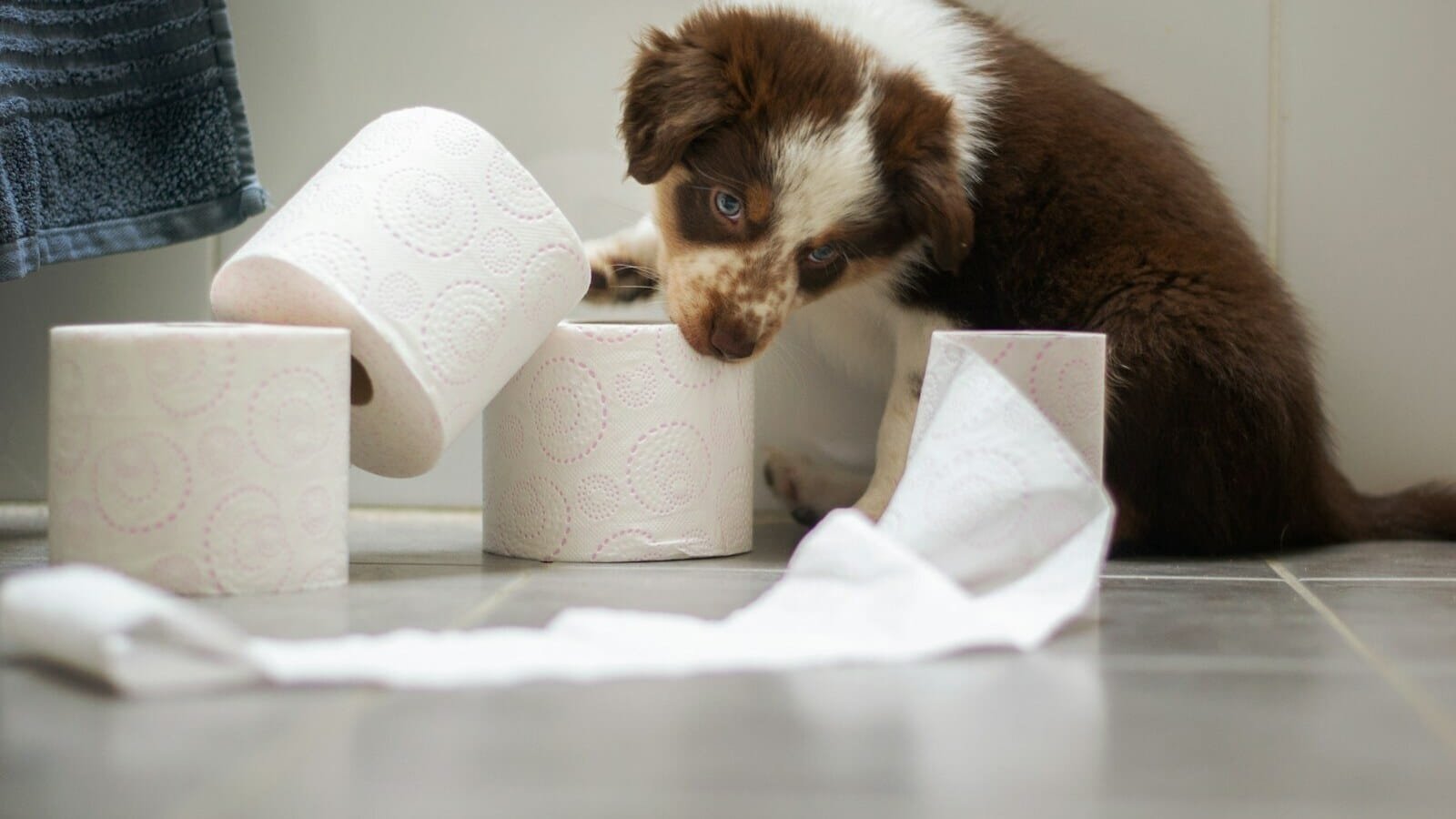

Potty training is one of the first major milestones in raising a dog. Whether you’ve brought home a playful puppy or adopted an older rescue, consistency and patience are the keys to success. Every dog learns at a different pace, but with the right approach, you can build reliable bathroom habits and avoid unnecessary stress.
Here are nine practical tips to help make potty training smoother and more effective.
- Create a Consistent Schedule
Dogs thrive on routine. Take your dog outside at the same times every day, especially:
First thing in the morning
After meals
After naps
After playtime
Before bedtime
Young puppies usually need bathroom breaks every 1–2 hours. As they grow older, they can hold it longer. A predictable schedule helps your dog understand when and where they are expected to go.
- Choose One Potty Spot
Pick a specific outdoor area for bathroom breaks and stick to it. Familiar smells encourage your dog to relieve themselves faster and reinforce the habit.
Avoid changing locations too often during the training phase. Consistency reduces confusion and helps build recognition.
Reward your dog immediately after they go potty in the correct place. You can use:
- Use Positive Reinforcement
Treats
Praise
Gentle petting
Playtime
Timing matters. Rewards should happen within seconds so your dog connects the behavior with the reward.
Avoid punishment for accidents. Scolding can create fear and anxiety, which may slow progress.
- Learn Your Dog’s Signals
Many dogs show signs when they need to go outside. Watch for behaviors such as:
Sniffing the floor
Circling
Whining
Going toward the door
Sudden restlessness
Recognizing these signals early can help prevent accidents indoors.
- Supervise Indoors Carefully
Until your dog is fully trained, supervision is important. If you cannot watch them closely, use a crate or a small puppy-safe area.
The more opportunities a dog has to eliminate indoors, the longer potty training usually takes.
Keeping your dog within sight helps you respond quickly when they show signs of needing a bathroom break.
- Crate Training Can Help
Dogs naturally avoid soiling the place where they sleep. A properly sized crate can encourage bladder control and establish routine habits.
The crate should be large enough for your dog to:
Stand up
Turn around
Lie down comfortably
But it should not be so large that one corner becomes a bathroom area.
Crates should never be used as punishment. They should feel safe and comfortable.
- Clean Accidents Thoroughly
If accidents happen, clean the area with an enzyme-based cleaner designed for pet odors. Regular household cleaners may leave traces your dog can still smell.
Lingering odors can encourage repeat accidents in the same spot.
Stay calm during cleanup. Accidents are a normal part of the learning process.
- Be Patient With Progress
Some dogs learn within a few weeks, while others take several months. Factors such as age, breed, previous living conditions, and health can all affect training speed.
Set realistic expectations:
Young puppies have limited bladder control
Rescue dogs may need extra adjustment time
Changes in routine can temporarily disrupt progress
Consistency matters more than speed.
- Celebrate Small Successes
Potty training is a gradual process. Celebrate improvements, even small ones. A successful week with fewer accidents is real progress.
Staying encouraging helps build trust and confidence between you and your dog.
Remember that setbacks are normal. What matters most is maintaining a calm, steady routine.
Potty training requires patience, repetition, and positive reinforcement. By creating a routine, supervising carefully, and rewarding success, you can help your dog develop reliable bathroom habits over time.
A well-trained dog not only keeps your home cleaner but also enjoys greater freedom and confidence. With consistency and understanding, both you and your dog can make the training journey much easier and more enjoyable.

Harnaik Singh Rathor is the Founder, Publisher, and Editor-in-Chief of StudioX News Canada, Canada's multilingual digital news network serving diaspora communities across 44 languages. With a background in media production, public relations, and multicultural communications, he founded StudioX Film and TV Corporation to bridge the gap between mainstream Canadian media and the country's diverse immigrant communities. He is a member of the Canadian Association of Journalists (CAJ), RTDNA Canada, CPRS Vancouver, NEPMCC, and the Canadian Freelance Union (Unifor). Based in Surrey, British Columbia. | LinkedIn: https://www.linkedin.com/in/harnaiksinghrathor/ | Muck Rack: https://muckrack.com/harnaiksinghrathor | Email: editor@studioxnews.ca