Canada Agriculture Crisis Raises Concerns Among Farmers
The Canada agriculture crisis is becoming a growing concern as farmers across the country face increasing pressure from unpredictable weather conditions, rising operating costs, and challenges affecting crop production.
Canada’s agriculture industry remains a major part of the national economy, supporting rural communities, creating jobs, and supplying food products to both domestic and international markets. However, farmers are navigating a difficult period as changing conditions continue to impact daily operations.
From planting decisions to harvesting schedules, producers rely heavily on stable weather patterns and manageable costs. Recent challenges have made planning more difficult, creating uncertainty for many farming communities.
Weather Conditions Create New Farming Challenges
Weather remains one of the biggest challenges affecting Canadian agriculture.
Farmers depend on seasonal conditions to determine crop growth, but changing weather patterns can create unexpected problems. Periods of dry conditions, excessive rainfall, extreme temperatures, and sudden weather shifts can affect crop health and overall production.
The impact of these conditions has contributed to concerns surrounding the Canada agriculture crisis, as farmers work to protect their crops while managing increased risks.
Agricultural experts say unpredictable weather makes it harder for producers to estimate yields and prepare for future seasons. Many farmers are now focusing on improved planning, better forecasting tools, and updated farming methods to reduce the impact of environmental challenges.
Rising Costs Add Pressure on Agricultural Producers
Along with weather challenges, farmers are facing increased costs for essential resources.
Expenses related to fuel, fertilizers, machinery, transportation, and farm supplies have placed additional pressure on agricultural businesses. For many producers, higher costs can affect profitability and make it more difficult to maintain operations.
The financial challenges linked to the Canada agriculture crisis have become a major concern for farming organizations, which continue to highlight the need for support programs and policies that address rising expenses.
Small and medium-sized farms can face particular difficulties as they often have fewer resources to absorb sudden increases in operating costs.
Farmers Turn to Innovation and Adaptation
Despite ongoing challenges, many Canadian farmers are adopting new approaches to strengthen their operations.
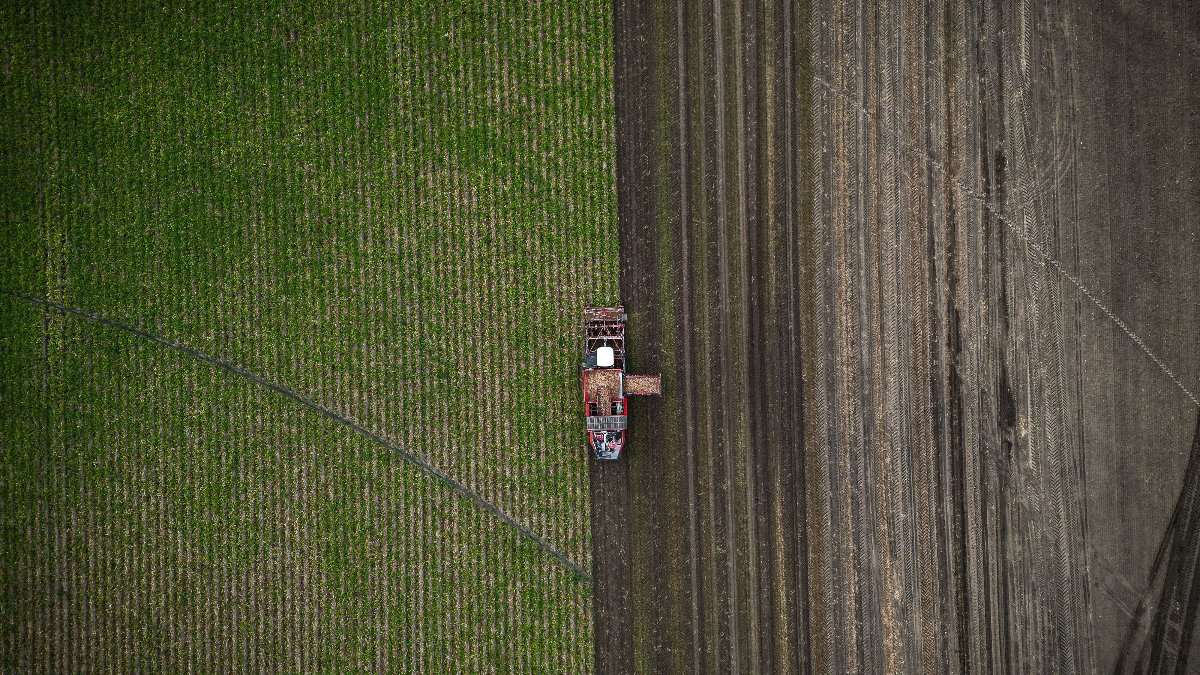
Technology has become an important tool in modern farming, helping producers monitor crops, improve efficiency, and make better decisions. Advanced equipment, digital farming tools, and improved agricultural practices are allowing farmers to respond more effectively to changing conditions.
Some producers are also exploring crop diversification and sustainable farming techniques to reduce risks and improve long-term stability.
Industry leaders say innovation will continue to play an important role in helping Canadian agriculture adapt to future challenges.
Government Support and Industry Response
The agriculture sector continues to work with governments and industry organizations to address concerns affecting farmers.
Support programs, financial assistance, and risk management initiatives are designed to help producers handle unexpected challenges and maintain stable operations.
Farm groups have called for continued attention toward issues affecting agriculture, including weather risks, market uncertainty, and rising production expenses.
As discussions around the Canada agriculture crisis continue, many industry representatives emphasize the importance of long-term planning and cooperation between farmers, policymakers, and researchers.
The Future of Canadian Agriculture
While farmers continue to face uncertainty, Canada’s agriculture sector remains resilient.
The ability of producers to adapt, invest in new technology, and respond to changing conditions will be important for the future of farming across the country.
Experts believe that strengthening agricultural infrastructure, improving climate preparedness, and supporting farmers through difficult periods will help protect Canada’s food supply and rural communities.
The challenges facing farmers highlight the importance of recognizing agriculture as a key part of Canada’s economy and ensuring producers have the tools needed to succeed.
As the crop season progresses, farmers will continue monitoring weather patterns, market conditions, and available resources while working to overcome the challenges ahead.

Shweta Malik is a content writer and journalist contributing to StudioX News. With a background in digital and print media—including reporting and editorial roles at Zee Media and The Tribune—she focuses on delivering engaging, original reporting. She holds an M.A. in Journalism and Mass Communication from Kurukshetra University.