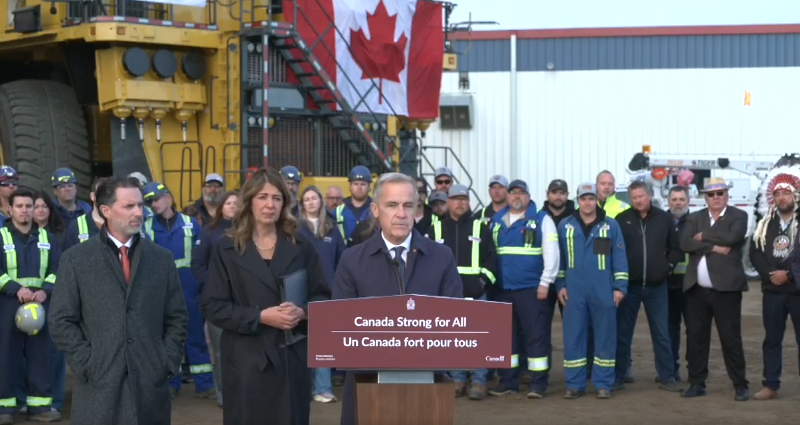
West Coast Pipeline Canada is back in focus after Ottawa moved to list the Alberta-backed project as a national interest project. The decision could accelerate federal approvals, strengthen Canada’s energy export capacity, and support long-term economic growth. While the designation does not guarantee construction, it marks a significant milestone for one of Canada’s most closely watched energy infrastructure proposals.
The proposed pipeline, backed by Alberta, is expected to transport crude oil from Bruderheim, Alberta, to a marine export terminal near Delta, British Columbia. While the project is still in its early approval stages, the national interest designation signals Ottawa’s intention to prioritize infrastructure that supports Canada’s long-term economic and energy goals.
Why Ottawa Is Supporting the Pipeline
Canada has long relied on the United States as its primary market for crude oil exports. However, limited pipeline capacity to Canada’s West Coast has restricted access to customers in Asia and other international markets.
By identifying the Ottawa West Coast Pipeline National Interest Project as strategically important, the federal government hopes to improve Canada’s export infrastructure, attract investment, and enhance energy security. Officials say projects that contribute to economic growth and national competitiveness should benefit from a more coordinated federal review process.
The designation does not approve construction but is designed to streamline regulatory coordination and reduce unnecessary delays during the assessment process.
What the Proposed Pipeline Includes
The proposed Alberta-backed pipeline would stretch approximately 1,250 kilometres, connecting Alberta’s oil-producing region to British Columbia’s Pacific Coast.
Key highlights of the project include:
- Transporting more than one million barrels of crude oil per day
- Improving access to overseas markets through Canada’s West Coast
- Supporting long-term investment in Canada’s energy sector
- Creating employment opportunities during construction and operations
Supporters believe additional export capacity could allow Canadian producers to secure better prices for their oil while reducing dependence on a single export destination.
Economic Benefits
Industry leaders have welcomed Ottawa’s decision, saying expanded pipeline infrastructure is essential for Canada’s economic future.
If completed, the project could generate several benefits, including:
- Thousands of construction and long-term operational jobs
- Increased government revenues through taxes and royalties
- Greater confidence among domestic and international investors
- Enhanced competitiveness for Canada’s energy industry
- Improved trade opportunities with countries in the Asia-Pacific region
Many business organizations argue that modern infrastructure will help Canada remain competitive as global energy demand continues to evolve.
Environmental and Indigenous Considerations
Despite the potential economic benefits, the proposal continues to generate debate.
Environmental organizations have expressed concerns about greenhouse gas emissions, marine ecosystems, and the risk of oil spills. Some Indigenous communities have also emphasized the importance of meaningful consultation before any major infrastructure project proceeds.
The federal government has stated that Indigenous engagement will remain a legal and policy priority throughout the review process. Environmental assessments and project-specific regulatory requirements will also continue, even if the pipeline receives national interest status.
Officials maintain that the designation is intended to improve administrative efficiency rather than bypass environmental protections or consultation obligations.
What Happens Next?
The proposal has been published in the Canada Gazette, opening a public consultation period during which Canadians, Indigenous communities, industry groups, and provincial governments can submit comments.
Following the consultation process, Ottawa will determine whether to formally designate the project as one of national interest. If approved, the pipeline would move into additional stages of environmental review, engineering, financing, and regulatory approvals before construction could begin.
Although several important steps remain, the latest announcement represents a major milestone for one of Canada’s most closely watched energy infrastructure proposals.
Conclusion
The Ottawa West Coast Pipeline National Interest Project reflects the federal government’s effort to balance economic growth with environmental oversight and Indigenous consultation. Supporters view the proposal as an opportunity to strengthen Canada’s energy exports and create jobs, while critics continue to call for careful environmental review and meaningful community engagement.
As consultations move forward, the project is expected to remain at the center of Canada’s ongoing debate over energy development, climate policy, and national infrastructure.

Shweta Malik is a content writer and journalist contributing to StudioX News. With a background in digital and print media—including reporting and editorial roles at Zee Media and The Tribune—she focuses on delivering engaging, original reporting. She holds an M.A. in Journalism and Mass Communication from Kurukshetra University.