
B.C. is partnering with UBC and McGill’s The Neuro to develop a personalized gene-editing therapy for three-year-old Gurmoh Gill, while also building a new pathway for patients with rare genetic diseases to move from diagnosis toward potential treatment.
SURREY, B.C. — A three-year-old Surrey child living with a rare and progressive genetic disease is at the centre of a new B.C. initiative aimed at developing personalized gene-editing therapy and creating a broader pathway for rare-disease patients.
The B.C. government announced Saturday that the Provincial Health Services Authority (PHSA) and BC Children’s Hospital are partnering with the University of British Columbia (UBC) and McGill University’s Montreal Neurological Institute-Hospital, known as The Neuro, on the initiative.
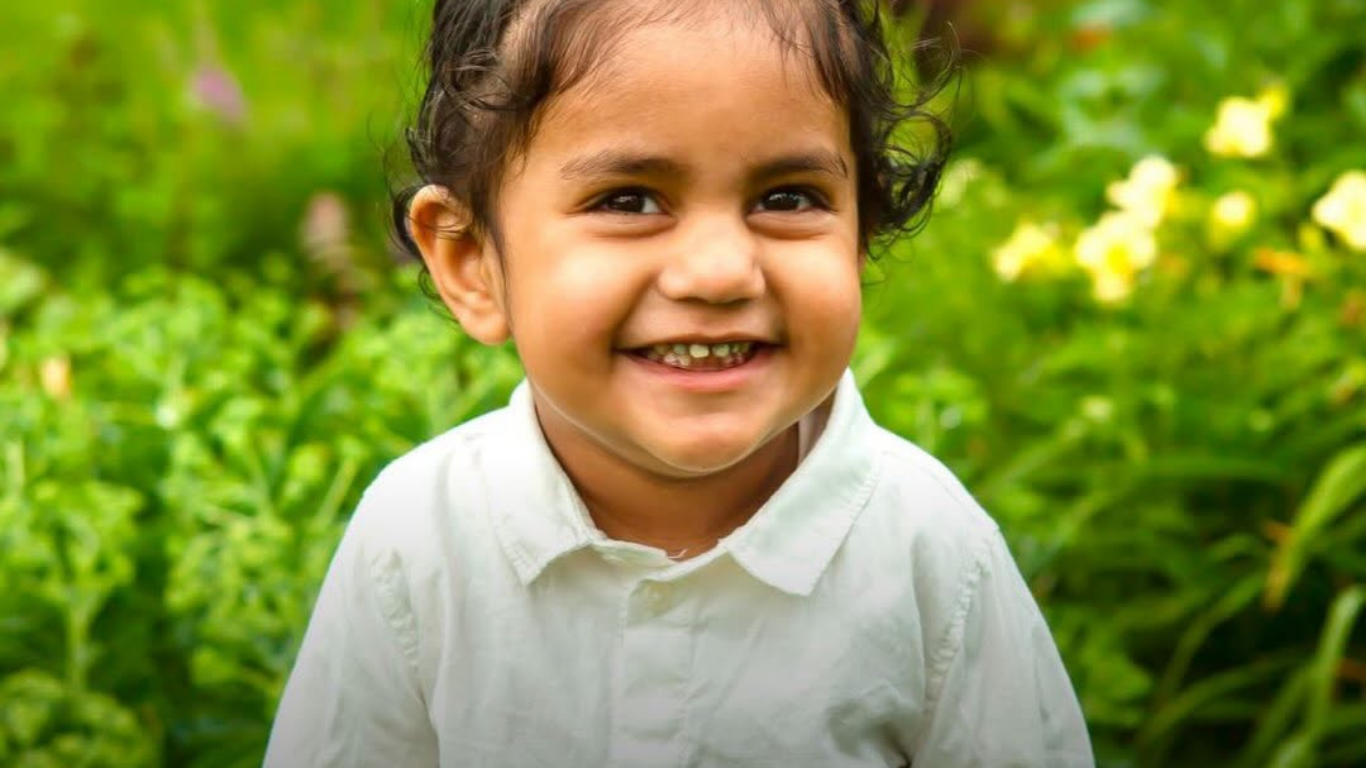
The immediate focus is Gurmoh Gill, who has hereditary spastic paraplegia type 4 (SPG4), a rare neurodegenerative disease.
According to the province, researchers at The Neuro will work with B.C. partners to develop a personalized gene-editing therapy specifically for Gurmoh.
The work is expected to include therapeutic design, laboratory testing, safety and efficacy studies, regulatory review and preparation for clinical trials.
From diagnosis to potential treatment
The provincial announcement goes beyond Gurmoh’s individual case.
B.C. says his experience is helping shape a coordinated diagnosis-to-therapy pathway for people with rare genetic diseases.
Families who receive a rare-disease diagnosis can face a difficult question: what happens when there is no established treatment?
The province says there is currently no clear, coordinated process for determining whether emerging treatment opportunities exist, how potential therapies should be evaluated, or how patients can navigate research and regulatory processes.
The new initiative is intended to address that gap.
The pathway could eventually support patients with a broad range of rare genetic conditions, including neurological, metabolic, immunological, cardiac, pulmonary, gastrointestinal and blood-related diseases.
What is SPG4?
Hereditary spastic paraplegia type 4 is a rare genetic disorder associated with the SPAST gene.
Hereditary spastic paraplegia is a group of rare, progressive neurological disorders that can cause stiffness and weakness, particularly in the legs.
Earlier reporting on Gurmoh’s case found that his condition is associated with a specific de novo SPAST variant, meaning the genetic change was not inherited from either parent. His parents, Navpreet and Stalin Gill, have spent much of 2026 raising awareness and seeking support for research into a potential treatment.
A therapy that is still being developed
The B.C. announcement does not mean that Gurmoh has received an approved gene-editing treatment.
The proposed therapy still has to move through research and development stages, including laboratory work, safety and efficacy studies, regulatory review and preparation for clinical trials.
The province says only a small number of gene-editing therapies have been developed and tested globally, and that none has been developed specifically for SPG4.
Earlier in 2026, researchers at The Neuro described their work on Gurmoh’s case as an effort to develop a treatment targeting the genetic mutation responsible for his condition. Researchers said the approach would need to undergo rigorous testing before any clinical trial.
Gurmoh’s family has pushed for a path forward
Gurmoh’s parents have spent months raising awareness about their son’s condition and the challenges surrounding personalized therapies for extremely rare diseases.
In May, the family and supporters completed a 120-kilometre walk from Vancouver to Victoria to raise awareness and support for Gurmoh’s potential gene-therapy research.
By August, the family had travelled across Canada as part of what they called a Journey of Hope, while researchers at The Neuro continued working on the potential treatment approach.
The family welcomed the B.C. government’s announcement.
“When we first received Gurmoh’s diagnosis, we didn’t know if there was any hope,” Gurmoh’s parents, Stalin and Navpreet Gill, said in the provincial announcement. They said the collaboration gives their family hope while potentially helping other children and families facing rare diseases.
Building on B.C.’s genomics infrastructure
The province says B.C. already has significant capacity in genomic medicine, including sequencing, diagnostics and data-analysis infrastructure through PHSA and the Michael Smith Genome Sciences Centre, along with specialized clinical expertise at BC Children’s Hospital.
The new partnership is intended to connect those capabilities with research expertise at UBC and The Neuro.
PHSA will lead the work as part of Canada’s National Strategy for Drugs for Rare Diseases. B.C. was the first province to sign an agreement with the federal government under the strategy in 2024, according to the province.
What happens next?
The immediate priority is developing and testing a personalized therapy for Gurmoh.
That process will require researchers to design the therapy, conduct laboratory studies and evaluate safety and efficacy before regulatory review and potential clinical trials.
At the same time, B.C. and its research partners are looking at how the experience can be turned into a repeatable pathway for other families facing rare genetic diseases.
For Gurmoh’s family, the announcement represents a new stage in a journey that began with a rare-disease diagnosis and months of searching for potential treatment options.
For B.C.’s health system, the initiative is also an attempt to establish a more coordinated route from genetic diagnosis to potential therapy for patients whose conditions may not have an existing treatment.
The therapy remains under development, and its safety, effectiveness and availability for clinical use have not yet been established.

Harnaik Singh Rathor is the Founder, Publisher, and Editor-in-Chief of StudioX News Canada, Canada's multilingual digital news network serving diaspora communities across 44 languages. With a background in media production, public relations, and multicultural communications, he founded StudioX Film and TV Corporation to bridge the gap between mainstream Canadian media and the country's diverse immigrant communities. He is a member of the Canadian Association of Journalists (CAJ), RTDNA Canada, CPRS Vancouver, NEPMCC, and the Canadian Freelance Union (Unifor). Based in Surrey, British Columbia. | LinkedIn: https://www.linkedin.com/in/harnaiksinghrathor/ | Muck Rack: https://muckrack.com/harnaiksinghrathor | Email: editor@studioxnews.ca