 Add StudioX as a preferred source on Google
New federal asylum regulations took effect on November 3, 2026, introducing a standardized online application process and a 60-day deadline for eligible claims to submit complete documents. In British Columbia, 4,185 asylum claimants submitted claims in the province from January to August 2026, down 43.5 per cent from the same period last year, according to preliminary IRCC data.
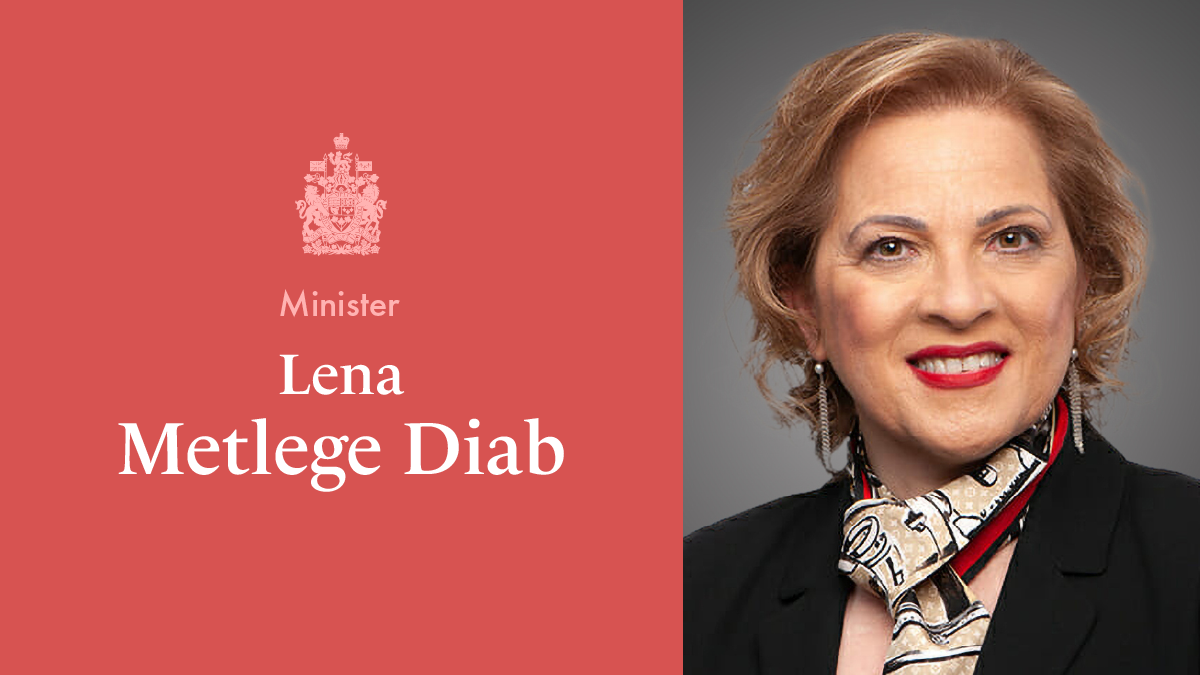
Immigration, Refugees and Citizenship Canada says the changes are intended to reduce duplication, clarify deadlines and ensure that claims referred to the independent Immigration and Refugee Board of Canada (IRB) are ready to proceed. The regulations apply nationally, including to people seeking refugee protection from inside B.C. and at ports of entry.
What changes for people making an asylum claim
The new rules establish one standardized application process. The first steps differ depending on where a person makes the claim:
- Inside Canada: The claimant first uses the IRCC Portal to answer preliminary questions and indicate an intention to make an asylum claim. IRCC then invites the person to an in-person appointment with an officer, where the claim is formally made.
- At a port of entry: The claimant answers preliminary questions and makes the claim with a border officer. The completed application and supporting documents are then submitted online.
For claims found eligible to be referred to the IRB, claimants will have 60 calendar days to submit the completed application and required documents. They can request a one-time extension of 30 calendar days if they cannot meet the initial deadline.
The deadline is important: the new process no longer relies on different document-submission timelines for inland claims and claims made at a port of entry. Claimants should keep copies of every submission, confirmation and appointment notice, and should not assume that starting the online process completes the formal claim.
Government screening will happen before referral
The regulations also establish a time limit for key government reviews before a claim is referred to the IRB. Those reviews cover security, criminality, admissibility and program-integrity issues.
IRCC says completing these reviews before referral should reduce the number of cases sent to the IRB before they are ready for a hearing. The department’s backgrounder does not state the final number of days for this review period. A 365-day limit appeared in the June 2026 regulatory proposal, but the final regulations are scheduled to be published in the Canada Gazette, Part II, on November 4. The proposed figure should not be treated as the confirmed final deadline until that text is available.
The IRB remains the independent body that decides whether a claimant qualifies for refugee protection. The new regulations change the intake, document and screening process; they do not transfer refugee-protection decisions to IRCC.
Work permits and protections for vulnerable claimants
Eligible asylum claimants can continue to receive work permits after their claim is found eligible for referral and they have submitted a complete application and met the other requirements, including the immigration medical examination. The regulations make permanent an approach that had been operating under a temporary public policy.
The rules also clarify when a designated representative must be appointed for a person who cannot fully understand the proceedings. This includes children and some adults who lack the capacity to appreciate the nature of the process.
Unaccompanied minors are exempt from the new one-year and 14-day ineligibility provisions. There is also an exception to the one-year rule for people who submit information indicating their intention to make a claim within their first year in Canada, even if the in-person appointment takes place later.
What is not changing
The Canada–United States Safe Third Country Agreement remains in place. IRCC says the regulations do not change how the agreement operates in practice. They clarify that the 14-day period in the agreement’s Additional Protocol begins when a person submits online information indicating an intention to make an asylum claim.
The one-year and 14-day ineligibility rules were introduced through the Strengthening Canada’s Immigration System and Borders Act, which became law on March 26, 2026. The new regulations provide exceptions and clarify how the rules apply to the new online process; they are not a blanket change to who qualifies for refugee protection.
B.C. claimant submissions fell 43.5 per cent in January–August
IRCC’s monthly statistics show 4,185 asylum claimants submitted claims in B.C. from January through August 2026, compared with 7,405 in the same eight months of 2025 — a decline of 43.5 per cent.
The figures are based on the province where the claim was submitted, not necessarily where the claimant currently lives. IRCC says the data are preliminary and may change. The national news release separately reports that asylum claims fell 52 per cent in January–August 2026 compared with the same period in 2025, and 68 per cent compared with 2024. Those earlier figures pre-date the regulations that took effect on November 3, so they do not measure the impact of today’s changes.
What B.C. claimants should do now
People considering an asylum claim should review IRCC’s current instructions before submitting information and should keep a record of portal confirmations, documents and appointment dates. Because eligibility can depend on when and how a person entered Canada, previous immigration history and family circumstances, claimants should obtain advice from a qualified refugee lawyer or legal clinic rather than rely on a general news summary.
The regulations are in force as of November 3. IRCC says the finalized text will be published in the Canada Gazette, Part II, on November 4, 2026.
Sources
- Immigration, Refugees and Citizenship Canada: November 3, 2026 news release
- IRCC: backgrounder on the new asylum regulations
- IRCC: asylum statistics by province and territory
- Canada Gazette, Part I: proposed asylum-system regulations
- Immigration and Refugee Board of Canada
Harnaik Singh Rathor is the Founder, Publisher, and Editor-in-Chief of StudioX News Canada, Canada's multilingual digital news network serving multilingual diaspora communities across Canada. With a background in media production, public relations, and multicultural communications, he founded StudioX Film and TV Corporation to bridge the gap between mainstream Canadian media and the country's diverse immigrant communities. He is a member of the Canadian Association of Journalists (CAJ), RTDNA Canada, CPRS Vancouver, NEPMCC, and the Canadian Freelance Union (Unifor). Based in Surrey, British Columbia. | LinkedIn: https://www.linkedin.com/in/harnaiksinghrathor/ | Muck Rack: https://muckrack.com/harnaiksinghrathor | Email: editor@studioxnews.ca