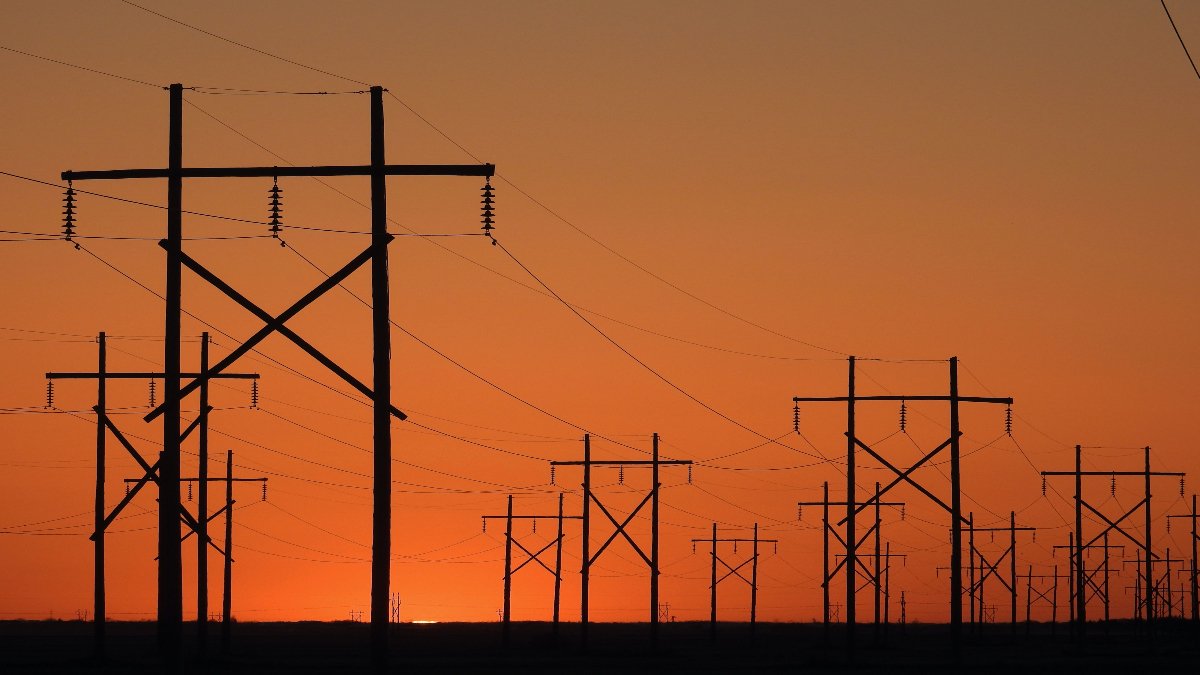
Canada Power Grid Faces Growing Demand
The Canada power grid is entering a new phase of development as governments, utilities, and energy providers work to modernize electricity infrastructure and prepare for rising demand in the years ahead.
Canada’s electricity network has long supported homes, businesses, and industries across the country. However, increasing electrification, population growth, expanding industries, and the growing adoption of electric vehicles are placing additional pressure on existing infrastructure.
Energy experts say modernizing the power grid will be essential to ensuring Canadians continue to have access to reliable, affordable, and efficient electricity while supporting the country’s long-term economic and environmental goals.
Why Modernization Is Becoming a Priority
Strengthening the Canada power grid has become an important priority as electricity demand continues to increase across multiple sectors.
More households are switching to electric heating systems, businesses are investing in digital technologies, and industries are expanding operations that require reliable energy supplies. At the same time, Canada’s transition toward cleaner energy sources requires infrastructure capable of integrating renewable electricity generated from wind, solar, and hydroelectric facilities.
Modern power grids also improve resilience during extreme weather events, reducing the likelihood of widespread outages and allowing utility providers to respond more quickly when disruptions occur.
Industry analysts believe today’s investments will help prepare Canada’s electricity system for future energy needs.
Investments in Cleaner and Smarter Infrastructure
Across the country, governments and utility companies are investing in projects designed to strengthen the Canada power grid.
These efforts include upgrading transmission lines, replacing aging equipment, improving substations, and introducing smart grid technologies that provide better monitoring of electricity networks.
Digital systems can help utilities identify problems faster, improve energy distribution, and reduce service interruptions. Smart meters and advanced monitoring technologies also allow providers to better understand electricity usage and improve overall efficiency.
At the same time, investments in renewable energy infrastructure are helping connect clean electricity sources to communities across Canada, supporting broader climate and sustainability objectives.
Experts say combining traditional infrastructure improvements with digital innovation will make the electricity system more flexible and resilient.
Challenges Facing Canada’s Power Grid
While modernization offers many benefits, upgrading the Canada power grid also presents significant challenges.
Large infrastructure projects often require substantial investment, long planning timelines, environmental assessments, and coordination among governments, regulators, Indigenous communities, and utility providers.
Canada’s geography adds another layer of complexity. Delivering reliable electricity across vast distances and remote communities requires careful planning and ongoing investment.
Energy experts also note that balancing affordability, reliability, and sustainability remains one of the biggest priorities for policymakers as electricity demand continues to evolve.
Despite these challenges, many analysts believe continued investment today will help reduce future infrastructure pressures.
What Modernization Means for Canadians
A stronger Canada power grid could provide several long-term benefits for households and businesses.
Improved infrastructure may help reduce the frequency of power outages, strengthen energy security, support economic growth, and make it easier to integrate renewable energy into everyday electricity supply.
Businesses could benefit from more reliable electricity needed for manufacturing, technology, healthcare, and transportation operations, while consumers may experience improved service reliability and greater energy efficiency.
Modernization also supports Canada’s growing electric vehicle market by ensuring charging infrastructure can meet increasing demand as more drivers transition away from traditional gasoline-powered vehicles.
As Canada’s economy becomes increasingly digital, dependable electricity infrastructure will remain essential for supporting innovation and competitiveness.
Looking Ahead
The future of the Canada power grid will depend on continued investment, technological innovation, and collaboration between governments, energy providers, and industry stakeholders.
Experts believe modernization efforts will continue over the coming years as electricity demand grows alongside Canada’s expanding economy and clean energy transition.
Building a smarter and more resilient power grid will not happen overnight, but today’s infrastructure investments are expected to deliver long-term benefits for consumers, businesses, and future generations.
As Canada continues strengthening its energy systems, the modernization of the Canada power grid is expected to remain a key part of the country’s broader economic and sustainability strategy.

Shweta Malik is a content writer and journalist contributing to StudioX News. With a background in digital and print media—including reporting and editorial roles at Zee Media and The Tribune—she focuses on delivering engaging, original reporting. She holds an M.A. in Journalism and Mass Communication from Kurukshetra University.