Canada wildfire smoke tariffs discussions have gained attention after U.S. President Donald Trump raised concerns over smoke drifting across the border and suggested possible economic measures linked to the issue.
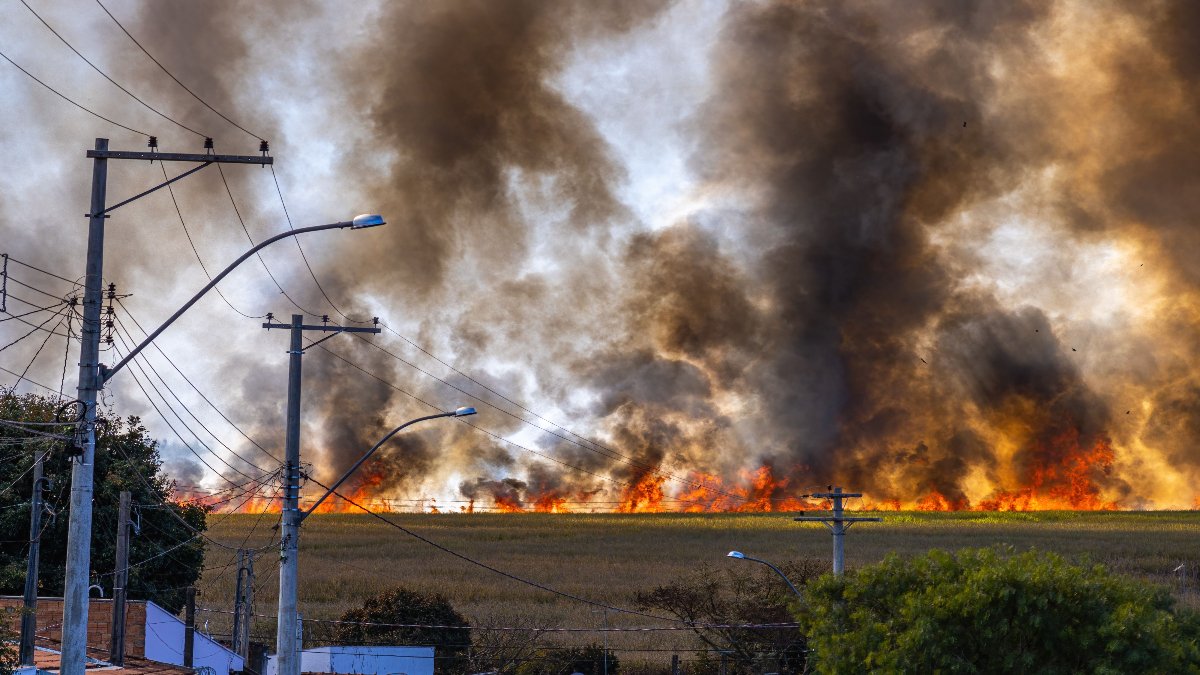
The comments come as communities across parts of North America continue to deal with poor air quality caused by smoke from large-scale wildfires. Officials in both countries have warned residents about the health risks associated with wildfire pollution, particularly for children, older adults, and people with respiratory conditions.
Trump’s remarks have added a new layer to ongoing discussions between the two countries, turning a long-standing environmental challenge into a matter of trade and diplomatic debate.
Canada Wildfire Smoke Tariffs Add New Tension to U.S.-Canada Relations
The U.S. president has criticized the movement of wildfire smoke from Canada into American communities, arguing that more action should be taken to address the issue.
While wildfire smoke regularly crosses national borders due to weather patterns and air movement, Trump’s comments have focused attention on Canada’s wildfire response efforts and the broader impact on U.S. states affected by smoke.
The issue has become particularly sensitive as residents in several regions experience hazy skies, reduced visibility, and concerns about air quality levels during periods of intense wildfire activity.
Officials have repeatedly emphasized that wildfires are complex events influenced by multiple factors, including weather conditions, dry conditions, wind patterns, and long-term environmental changes.
Cross-Border Smoke Becomes Political Issue
Wildfire smoke does not follow political boundaries, making cross-border air quality management a challenge for governments.
Canada and the United States have historically worked together on wildfire response, including sharing firefighting resources, information, and emergency support when major fires affect communities.
However, the recent political discussion has created renewed debate about how countries should respond when environmental events in one nation affect people in another.
Experts note that smoke movement depends heavily on atmospheric conditions, meaning areas far away from active wildfire zones can still experience air quality impacts.
The situation has highlighted the need for cooperation between governments, environmental agencies, and emergency services as wildfire seasons become more unpredictable.
Wildfire Season Creates Challenges Across North America
Wildfires have become a major concern across many parts of Canada and the United States in recent years. Large fires can damage communities, threaten forests, and create widespread air pollution.
During severe wildfire periods, smoke can travel hundreds or even thousands of kilometres, affecting regions that are not directly near the fires.
Canadian provinces often rely on a combination of local firefighting teams, national resources, and international assistance to manage major wildfire outbreaks.
The increasing frequency of extreme weather events has also led governments to invest more heavily in wildfire prevention, emergency preparation, and air quality monitoring.
Public health officials continue to advise residents to monitor local air quality reports and take precautions when smoke levels become elevated.
Trade Discussions Add New Tension
The possibility of linking wildfire concerns with trade measures has raised questions about the relationship between environmental issues and economic policy.
Canada and the United States share one of the world’s largest trading relationships, with millions of jobs and industries connected across the border.
Any discussion involving tariffs or trade restrictions could have wider economic implications beyond the wildfire issue itself.
Analysts say trade decisions involving environmental concerns would likely require careful consideration because wildfire smoke is influenced by natural conditions and cannot be easily controlled by one government alone.
The comments have renewed conversations about the importance of cooperation between the two countries on climate-related challenges and emergency response.
What Happens Next
As wildfire season continues, officials on both sides of the border are expected to monitor air quality conditions and evaluate response strategies.
The debate over wildfire smoke highlights the growing connection between environmental events, public health, and international relations.
While political disagreements may continue, experts and officials emphasize that wildfire smoke remains a shared challenge requiring coordination and long-term planning.
For communities affected by smoke, the immediate priority remains protecting public health, improving emergency preparedness, and ensuring accurate information is available during periods of poor air quality.

Shweta Malik is a content writer and journalist contributing to StudioX News. With a background in digital and print media—including reporting and editorial roles at Zee Media and The Tribune—she focuses on delivering engaging, original reporting. She holds an M.A. in Journalism and Mass Communication from Kurukshetra University.