Ontario Wildfire Air Quality Warnings Expand Across Great Lakes Region
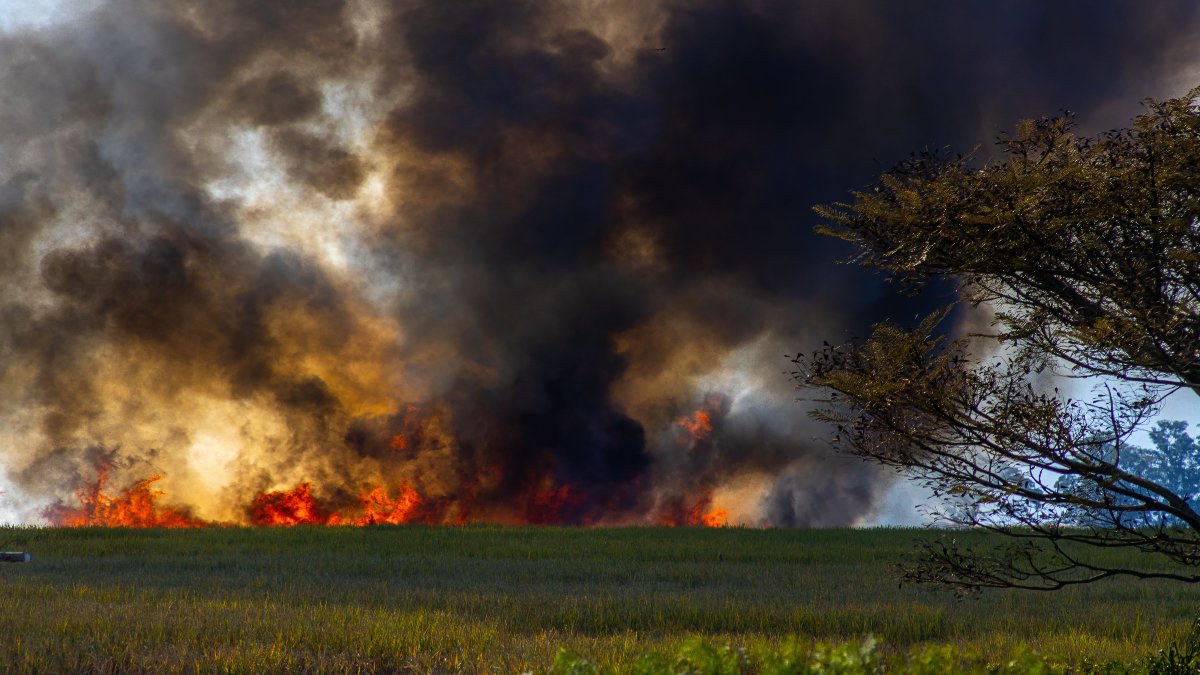
Ontario wildfire air quality warnings have expanded across parts of Canada and the United States as hundreds of active wildfires continue to send smoke across the Great Lakes region.
Many of the ongoing fires are located in northwestern Ontario, where dry conditions and changing weather patterns have contributed to challenging firefighting conditions. Smoke from these wildfires has travelled across provincial and international borders, affecting air quality in several states, including areas stretching from Minnesota to Maryland.
The widespread smoke has prompted officials to issue air quality alerts, advising residents to monitor conditions and take precautions when pollution levels become elevated.
Smoke From Northwestern Ontario Spreads Across Borders
Wildfire smoke can travel hundreds of kilometres depending on wind direction and atmospheric conditions. As a result, communities far away from active fire zones can experience reduced air quality even when they are not directly threatened by flames.
The current Ontario wildfire air quality warnings highlight how wildfire impacts can extend beyond the immediate areas where fires are burning.
Residents in parts of the Great Lakes region have reported hazy skies, reduced visibility, and concerns about outdoor activities as smoke continues moving through the atmosphere.
Officials continue to track smoke movement using air monitoring systems and weather forecasts to provide updated information to affected communities.
Health Concerns Grow as Air Quality Declines
Poor air quality caused by wildfire smoke can create health risks, particularly for vulnerable groups. Children, seniors, pregnant individuals, and people with respiratory or heart conditions are often advised to take extra precautions during periods of heavy smoke.
Health officials recommend limiting prolonged outdoor activities, keeping windows closed when possible, and checking local air quality reports before spending extended time outside.
The rise in Ontario wildfire air quality warnings serves as a reminder that wildfire smoke can affect large regions and create public health challenges even outside evacuation zones.
Experts say smoke exposure can vary depending on weather conditions, the concentration of pollutants, and how long communities remain under affected air conditions.
Officials Urge Residents to Take Precautions
Government agencies across Canada and the United States are encouraging residents to stay informed as wildfire conditions continue to change.
Air quality alerts are updated regularly based on smoke levels, weather movement, and environmental monitoring data. Officials stress that residents should rely on local guidance and avoid unnecessary exposure during periods when air quality reaches unhealthy levels.
Emergency teams are also continuing wildfire response efforts, including monitoring fire behaviour, supporting firefighting operations, and protecting communities located near active wildfire areas.
The situation highlights the importance of preparation as wildfire seasons become more difficult to predict.
Wildfire Season Creates Ongoing Challenges
Wildfires have become a significant environmental challenge across North America, affecting forests, communities, transportation, and air quality.
In Ontario, firefighting crews often face difficult conditions due to large forested areas, changing weather patterns, and the unpredictable nature of wildfire movement.
The current Ontario wildfire air quality warnings demonstrate the wider effects of major wildfire events, with smoke impacting regions far beyond the original fire locations.
Experts continue to emphasize the importance of wildfire prevention, emergency planning, and cooperation between different levels of government to manage future risks.
What Happens Next
Authorities will continue monitoring wildfire activity and air quality conditions as the season progresses.
Residents in affected regions are encouraged to stay updated through official air quality monitoring services and follow health recommendations when smoke levels increase.
While firefighting teams work to contain active fires, officials warn that changing weather conditions could continue influencing wildfire behaviour in the coming days.
The spread of smoke across the Great Lakes region shows how wildfires have become a shared challenge, affecting communities across borders and highlighting the need for coordinated responses.

Shweta Malik is a content writer and journalist contributing to StudioX News. With a background in digital and print media—including reporting and editorial roles at Zee Media and The Tribune—she focuses on delivering engaging, original reporting. She holds an M.A. in Journalism and Mass Communication from Kurukshetra University.