Northern Ontario Wildfires Continue to Intensify
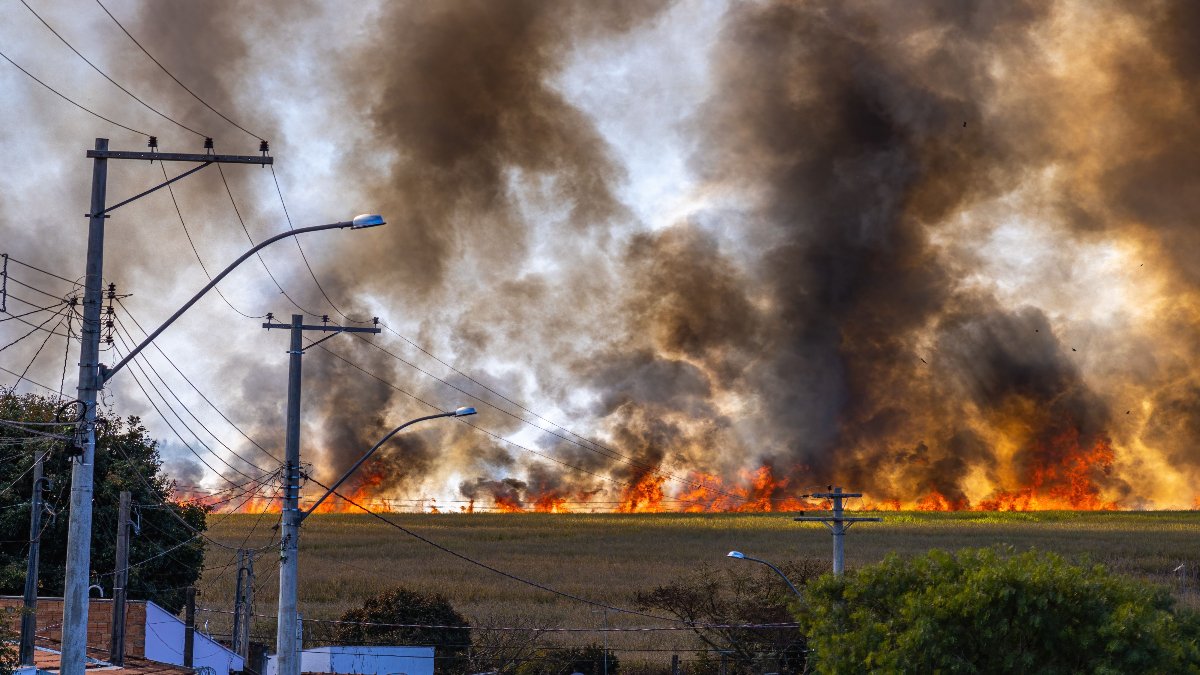
The Northern Ontario wildfires continue to fuel one of the province’s most challenging wildfire seasons, with hundreds of active fires burning across vast stretches of forest. Persistent heat, dry vegetation, and gusty winds have created ideal conditions for flames to spread quickly, forcing emergency officials to expand firefighting operations and evacuation efforts.
Northwestern Ontario remains the hardest-hit region, where wildfire activity has disrupted transportation, threatened remote communities, and prompted authorities to maintain strict fire restrictions. Officials continue monitoring rapidly changing conditions as firefighters work to contain several large and fast-moving blazes. The scale of the fires has also highlighted the growing impact of extreme weather on Canada’s forests, with smoke travelling far beyond the active fire zones.
Although the fires are burning hundreds of kilometres away, their effects are being felt across southern Ontario. Thick wildfire smoke has drifted into the Greater Toronto Area, covering the city in a dense haze and significantly reducing air quality.
Toronto Faces Poor Air Quality as Smoke Drifts South
Residents woke up to smoky skies, limited visibility, and the smell of burning wood lingering in the air. Environmental agencies issued air quality advisories after pollution levels increased due to fine particulate matter carried by the smoke.
Health experts warned that wildfire smoke can affect anyone. Still, the greatest risks are faced by children, seniors, pregnant women, and individuals living with asthma, heart disease, or other respiratory conditions. People have been encouraged to reduce strenuous outdoor activities and to keep indoor spaces well-ventilated or filtered where possible. The hazy conditions also served as a reminder that wildfire impacts extend well beyond the communities directly threatened by flames.
Wildfire Smoke Reaches Parts of the United States
The smoke generated by the Northern Ontario wildfires has not remained within Canada’s borders. Changing weather patterns have pushed smoke southward into several parts of the United States, leading to hazy skies and air quality alerts across portions of the Midwest and Northeast.
Environmental agencies in affected regions have continued monitoring smoke concentrations as shifting winds carry pollutants across state lines. Officials have advised residents to monitor local air quality reports and limit prolonged outdoor exposure whenever smoke levels become elevated. The cross-border impact demonstrates how large wildfire events can influence air quality across vast geographic areas, affecting millions of people far from the actual fire zones.
Evacuations Expand Across Northern Ontario
As wildfires continue spreading, evacuation orders remain in effect for several northern communities. Residents from Armstrong, Whitesand First Nation, Collins First Nation, Lac La Croix First Nation, and Lac des Mille Lacs First Nation have been asked to leave their homes as emergency crews focus on protecting lives and critical infrastructure.
Many evacuees have been relocated to Thunder Bay and other nearby communities, where emergency shelters and support services have been established. The severity of the wildfire conditions was underscored earlier this week when a viral video showed a Canadian National freight train surrounded by flames near Armstrong. All crew members were safely evacuated, and rail operations in the area were temporarily suspended as a precaution.
Firefighters Continue Battling the Blazes
Provincial wildfire crews, supported by aircraft, helicopters, and emergency response teams, remain engaged in efforts to slow the spread of the fires. Authorities continue assessing changing weather conditions, which will play a major role in determining how quickly the fires can be contained.
Officials have urged residents in affected regions to follow evacuation orders, avoid entering restricted areas, and stay updated through official emergency communications. With warm temperatures and dry conditions expected to persist, emergency managers say additional firefighting resources may be deployed if wildfire activity increases.
Health Officials Urge Residents to Take Precautions
As smoke continues affecting large areas of Ontario, public health authorities recommend taking simple precautions to reduce exposure. Residents are advised to stay indoors when smoke levels are high, keep windows and doors closed if indoor air quality can be maintained, and use air filtration systems where available. Those who must spend extended periods outdoors are encouraged to wear a properly fitted respirator, such as an N95 mask, especially if smoke concentrations remain elevated.
Anyone experiencing persistent coughing, chest discomfort, or difficulty breathing should seek medical advice, particularly individuals with existing respiratory or cardiovascular conditions.

Shweta Malik is a content writer and journalist contributing to StudioX News. With a background in digital and print media—including reporting and editorial roles at Zee Media and The Tribune—she focuses on delivering engaging, original reporting. She holds an M.A. in Journalism and Mass Communication from Kurukshetra University.