Southern Ontario air quality has been affected by wildfire smoke drifting from Northern Ontario, creating hazy skies, reduced visibility, and health concerns across several communities. Officials are monitoring conditions and advising residents to take precautions as smoke levels continue to change.
Officials say wildfire smoke can travel long distances from active fire zones, meaning communities far away from burning areas can still experience poor air quality conditions.
Wildfire Smoke Drifts Into Southern Ontario
The decline in air quality across Southern Ontario is linked to smoke from active wildfires burning in Northern Ontario. Changing wind patterns and atmospheric conditions have allowed smoke to move across large parts of the province. While conditions may improve temporarily, officials warn that air quality can change quickly depending on wildfire activity and weather movements.
Unlike regular pollution sources, wildfire smoke can spread over hundreds of kilometres and impact communities that are not directly affected by fires. Environmental officials continue monitoring smoke movement and providing updates as conditions develop.
Southern Ontario Air Quality Alerts Issued Across the Region
Several communities across Southern Ontario have experienced elevated levels of fine particles in the air due to wildfire smoke. The Air Quality Health Index (AQHI), which measures the potential health risks associated with air pollution, has shown increased readings in affected areas.
Officials are encouraging residents to check air quality updates before spending extended periods outdoors, especially during times when smoke levels are higher. Fine particles released through wildfire smoke can enter deep into the lungs and may create health concerns, particularly for people who are more sensitive to air pollution.
Residents can monitor daily air pollution levels through the official Air Quality Health Index (AQHI) updates provided by Environment and Climate Change Canada.
https://weather.gc.ca/airquality/
Toronto and Nearby Areas Experience Hazy Skies
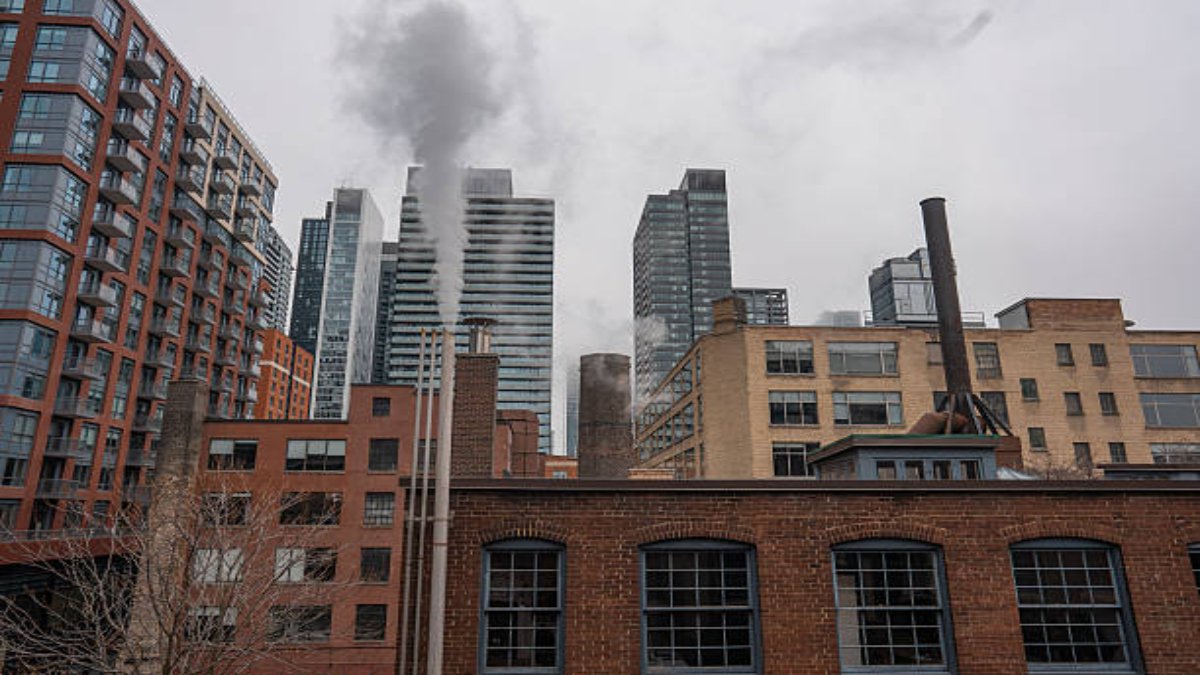
Toronto and other parts of Southern Ontario have experienced smoky conditions as air quality continues to fluctuate due to wildfire smoke moving across the province. Residents have reported grey skies, reduced visibility, and a smoky smell outdoors. The changing conditions have affected outdoor activities, with many people choosing to limit their time outside during periods of poor air quality.
The haze has also impacted views of city skylines and outdoor environments, creating noticeable changes compared with normal summer conditions. Although Southern Ontario is not facing direct wildfire threats, officials continue reminding residents that smoke exposure can still affect health.
Health Officials Warn About Smoke Exposure
Health experts are advising residents to be cautious as wildfire smoke continues affecting air quality.
People most at risk include:
- Children
- Older adults
- Pregnant individuals
- People with asthma or respiratory conditions
- Individuals with heart-related health concerns
Exposure to wildfire smoke may cause symptoms such as coughing, throat irritation, headaches, watery eyes, chest discomfort, and shortness of breath. Residents experiencing breathing difficulties or worsening symptoms are advised to seek medical assistance.
Officials recommend reducing outdoor activities when air quality levels become unhealthy and taking extra precautions during periods of heavy smoke.
Residents Advised to Take Precautions
Authorities are encouraging residents to follow safety measures to reduce exposure to wildfire smoke.
Recommended precautions include:
- Checking daily air quality updates before outdoor activities.
- Limiting strenuous exercise outside when smoke levels are high.
- Keeping windows and doors closed during poor air quality periods.
- Using air filtration systems or air purifiers if available.
- Wearing a well-fitted N95 mask during extended outdoor exposure.
People who work outdoors are also advised to take regular breaks and monitor symptoms while air quality conditions remain affected.
Wildfire Season Continues to Affect Ontario Communities
Ontario continues to face challenges from an active wildfire season, with emergency crews working to control fires and protect affected communities. Officials say dry conditions, changing weather patterns, and strong winds can influence how quickly wildfires spread and where smoke travels.
The current air quality concerns in Southern Ontario highlight the wider impact of wildfire activity. Even communities located far from active fires can experience the effects of smoke drifting through the atmosphere.
Authorities are urging residents to remain informed and continue following official updates as wildfire conditions evolve.

Shweta Malik is a content writer and journalist contributing to StudioX News. With a background in digital and print media—including reporting and editorial roles at Zee Media and The Tribune—she focuses on delivering engaging, original reporting. She holds an M.A. in Journalism and Mass Communication from Kurukshetra University.