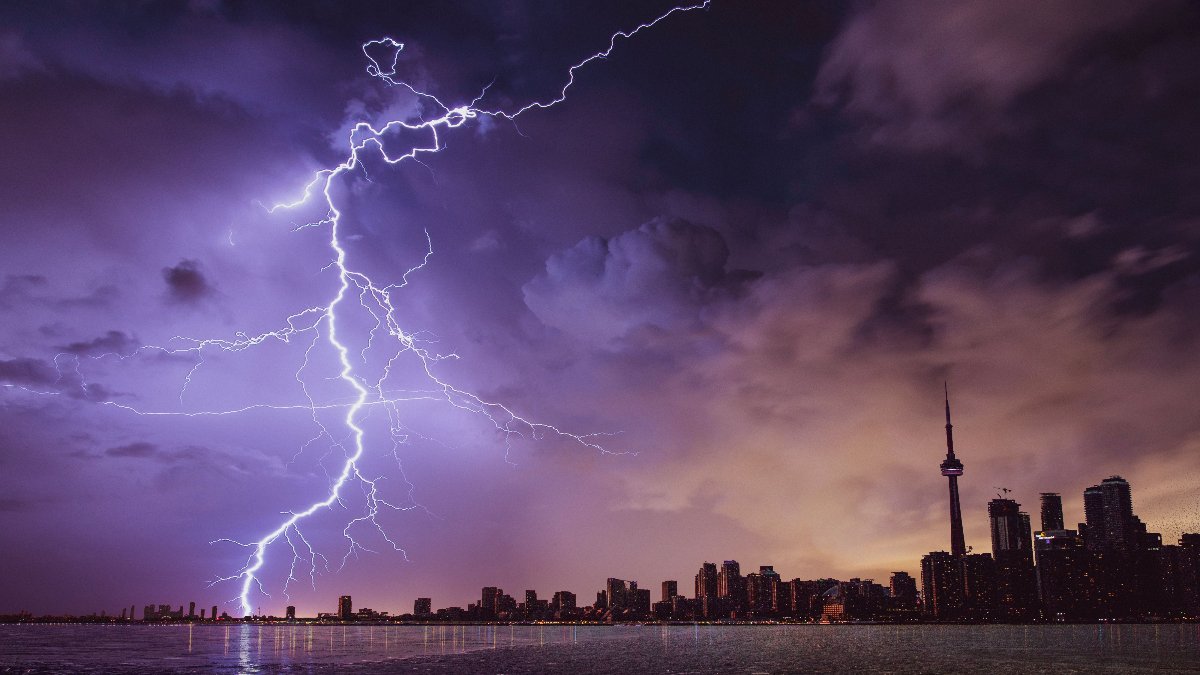
Canada weather alert has been issued as severe storms move across several provinces, bringing the risk of heavy rainfall, strong winds, thunderstorms, and possible disruptions for communities. Weather officials are urging residents to stay updated on local forecasts and take precautions as changing conditions create hazardous situations in some regions.
The storms come during an active summer weather period across Canada, with several areas experiencing rapidly changing conditions. While some communities are dealing with intense rainfall and thunderstorms, others are facing risks linked to strong winds, flooding, and temporary power interruptions.
Environment and Climate Change Canada continues to monitor the developing weather systems and has issued alerts where conditions could become dangerous.
Severe Storms Trigger Canada Weather Alert Across Provinces
Weather patterns across Canada can shift quickly during the summer months, especially when warm and humid air interacts with cooler weather systems. These conditions can create powerful thunderstorms capable of producing heavy rain, damaging winds, and lightning.
Several provinces have been placed under weather warnings as meteorologists track storm activity. Residents in affected areas have been advised to monitor official updates and avoid unnecessary travel during periods of severe weather.
The impact of storms can vary significantly between regions. Some communities may experience only heavy rainfall, while others could face stronger winds, fallen trees, localized flooding, or transportation delays.
Officials remind residents that weather alerts can change quickly, and new warnings may be issued as storms develop.
Provinces Facing Heavy Rain, Strong Winds and Thunderstorms
The latest weather systems are affecting multiple parts of Canada, with conditions varying by location.
Some areas are experiencing:
- Heavy rainfall over short periods
- Strong wind gusts
- Frequent lightning
- Risk of localized flooding
- Reduced visibility on roads
Urban areas can face additional challenges during intense storms because heavy rainfall can overwhelm drainage systems, leading to temporary flooding on roads and low-lying areas.
Rural communities may face different risks, including tree damage, agricultural impacts, and longer power restoration times if severe winds affect electrical infrastructure.
Residents are encouraged to check regional forecasts because storm intensity and timing can differ from one community to another.
Officials Warn Residents About Safety Risks
Authorities are asking Canadians to take storm warnings seriously, particularly during periods of lightning, strong winds, or flooding.
Emergency officials recommend staying indoors during severe thunderstorms whenever possible. People outside are advised to move away from open areas, tall trees, and bodies of water when lightning activity increases.
Drivers are also being reminded to use caution. Heavy rain can reduce visibility and create dangerous road conditions, especially on highways and rural routes.
Officials also recommend preparing emergency supplies, including:
- Flashlights
- Batteries
- Drinking water
- First-aid supplies
- Emergency contacts
These preparations can help households manage temporary disruptions caused by severe weather.
Travel Disruptions and Power Outage Concerns
Severe storms can affect transportation networks across Canada. Heavy rain may lead to slower highway conditions, while strong winds can impact flights, rail services, and ferry operations.
Airlines and transportation authorities often advise passengers to check schedules before travelling during periods of severe weather.
Power outages are another concern during major storms. Strong winds can damage power lines and trees, leaving some communities temporarily without electricity.
Utility companies typically prepare additional crews during severe weather events to respond to outages and restore service as quickly as possible. Residents experiencing power interruptions are advised to follow local safety guidance and avoid approaching damaged power lines.
How Canadians Can Prepare for Severe Weather
Experts say preparation is one of the best ways to reduce risks during extreme weather events.
Canadians can stay safer by:
- Checking weather updates regularly
- Keeping emergency supplies available
- Securing outdoor furniture and loose objects
- Charging electronic devices before storms arrive
- Avoiding flooded roads
Weather experts also recommend enabling emergency alerts on mobile devices to receive timely warnings about dangerous conditions.
Changing Weather Patterns Across Canada
Canada has experienced increasingly unpredictable weather patterns in recent years, with communities facing a mix of extreme heat, wildfire risks, heavy rainfall, and severe storms.
Meteorologists say changing atmospheric conditions can contribute to more frequent periods of intense weather, making early warnings and public awareness increasingly important.
The current Canada weather alert serves as a reminder that summer storms can develop quickly and affect communities with little notice. Officials continue monitoring conditions and encourage residents to follow local guidance as weather systems move across the country.

Shweta Malik is a content writer and journalist contributing to StudioX News. With a background in digital and print media—including reporting and editorial roles at Zee Media and The Tribune—she focuses on delivering engaging, original reporting. She holds an M.A. in Journalism and Mass Communication from Kurukshetra University.