Meta breaks ground on a 1GW AI campus in Sturgeon County — its first in Canada. The province says it runs on new natural gas. Meta says its power will be matched with renewables.
EDMONTON — The Meta Alberta data centre announced Wednesday represents more than $13 billion in private investment, making it one of the largest private-sector commitments in Canadian history and the social media giant’s first data centre anywhere in Canada.
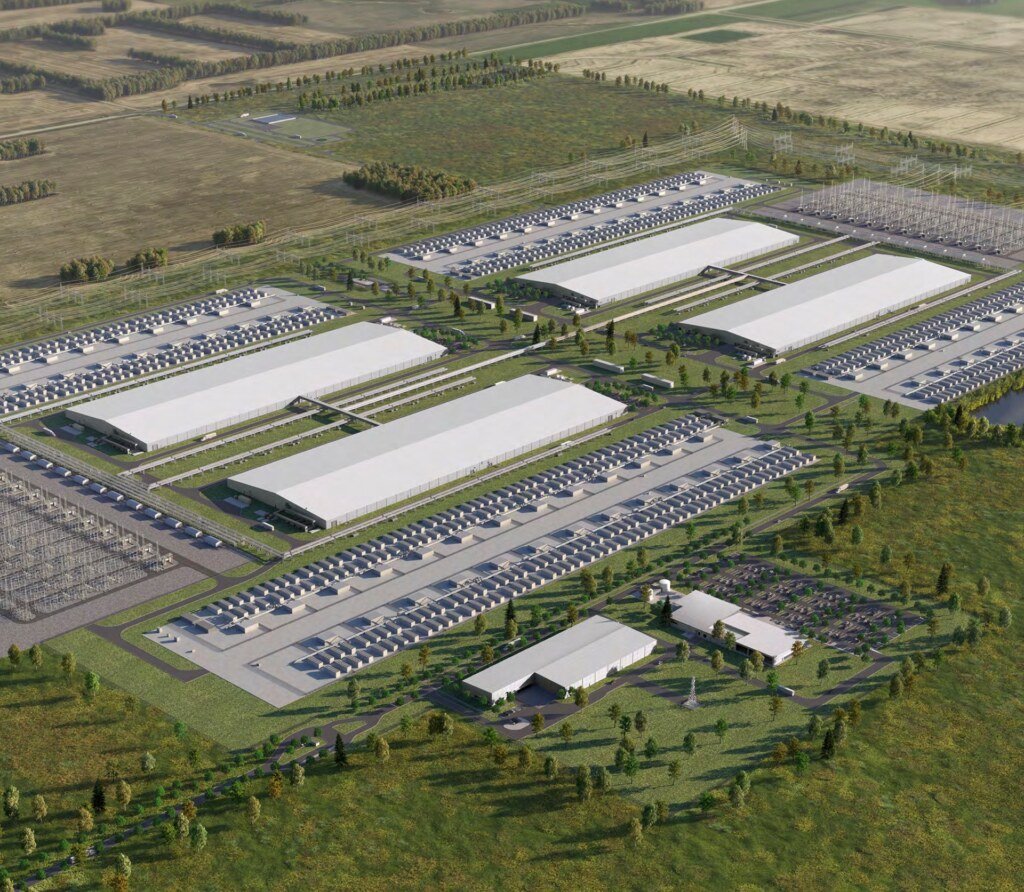
Meta Alberta data centre site in Sturgeon County Industrial Heartland
Meta is building a one-gigawatt, AI-optimized campus in Sturgeon County, north of Edmonton, inside Alberta’s Industrial Heartland. It will be the company’s 33rd data centre globally and is designed specifically to run the AI workloads behind its apps and wearables.
The province says the project will create more than 3,000 construction jobs at peak, support 300 permanent operational positions, and generate roughly $250 million a year for Albertans through royalties, taxes, levies, and fees. Meta is separately spending about $60 million on local roads and water infrastructure, and will launch annual community grants for area nonprofits.
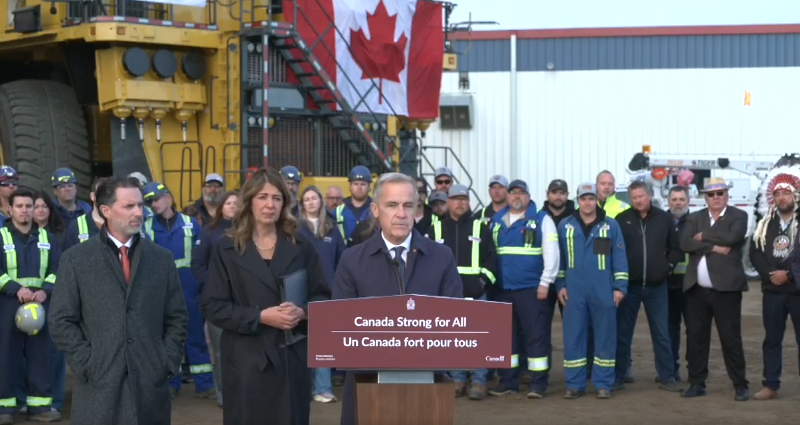
Premier Danielle Smith framed the deal as a deliberate bid for position in the global AI race, saying Alberta is “making sure we lead rather than follow.”
Why the Meta Alberta data centre came to Sturgeon County
Technology and Innovation Minister Nate Glubish said the win was engineered, not lucky — two years of pitching Alberta to the world’s largest technology firms, a regulatory framework built before the investment arrived, and a concierge team to move proponents through approvals quickly. Data centres, he argued, need two things above all: reliable energy and speed to market.
Gary Demasi, Meta’s vice-president of data centre strategy and development, cited Sturgeon County’s access to infrastructure and energy, its workforce, and its community partners.
The site sits in a designated industrial zone not used for farming, housing, or food production — a distinction the province leaned on hard, given the backlash data centres have drawn elsewhere for consuming farmland, water, and grid capacity. Municipalities retain control over land-use decisions.
Two versions of where the power comes from
Alberta’s central policy lever is a “bring your own power” rule. Rather than drawing solely on the provincial grid, the campus will pair grid electricity with new on-site natural gas generation, which Meta is fully funding along with supporting grid infrastructure.
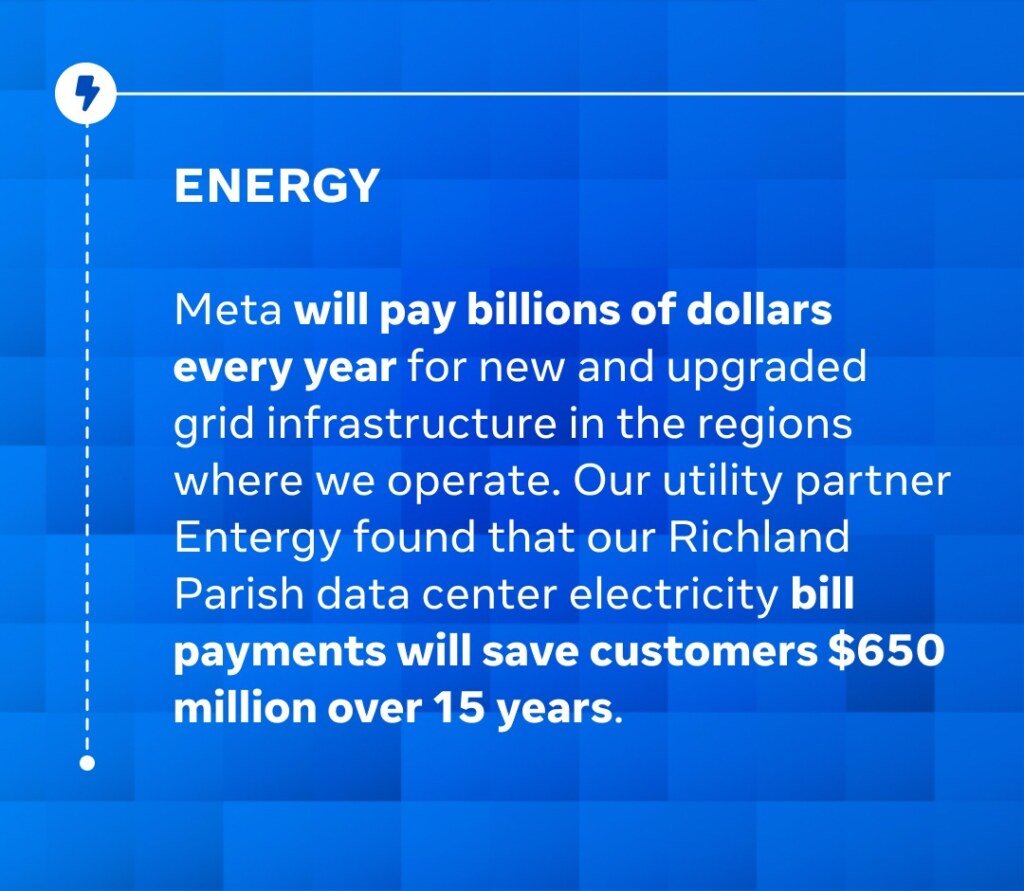
The province ties the project to Project Greenlight — a $4.6-billion, 970-megawatt natural gas facility announced last week by Pembina Pipeline Corporation, Morgan Stanley Infrastructure Partners, and Kineticor. Together, Alberta projects, transmission costs on household electricity bills should fall by up to six per cent.
Meta describes the same arrangement differently. In its own announcement, the company said it worked with Greenlight Limited Partnership, AltaLink, Capital Power, and the Alberta Electric System Operator to plan its energy needs years ahead, and that the data centre’s electricity use will be “matched with 100% clean and renewable energy.”
Matching is an accounting practice: a company buys renewable energy credits or contracts equivalent to what it consumes. It does not mean the electrons powering the servers are renewable. On the ground, the generation being built for this campus is natural gas.
The Alberta Electric System Operator independently determined that 1,200 megawatts could be allocated to data centre projects without compromising grid reliability — an analysis that accounted for population growth. Affordability and Utilities Minister RJ Sigurdson said blending grid power with self-generation is what protects reliability for households and businesses.
Alberta also applies a data centre levy to large grid-connected facilities. It is fully deductible against provincial corporate income tax.
The water question
Water has become the flashpoint in data centre fights across North America, and both parties moved to pre-empt it. The Sturgeon facility will use a closed-loop, liquid-cooled system with dry cooling, meaning no operational water use in the cooling system. Water on site will be limited to domestic uses, fire protection, and equipment maintenance, with approvals under Alberta’s Water Act.
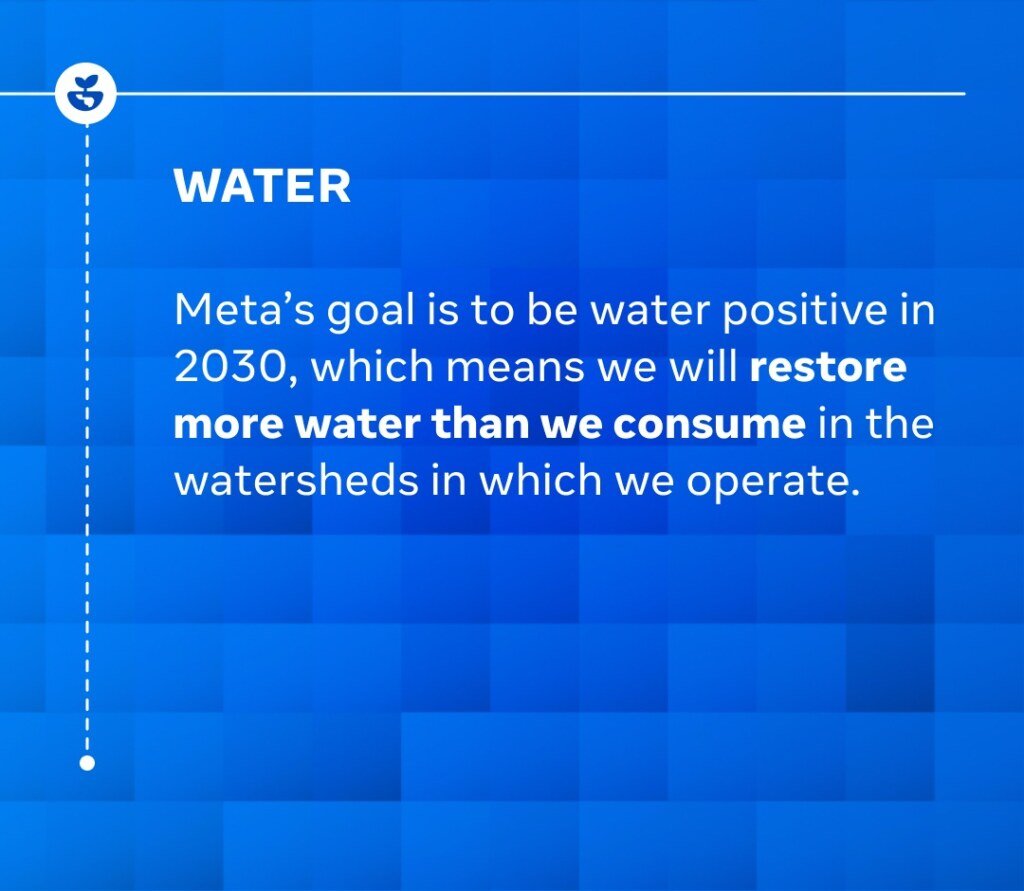
Meta says it pays the full cost of water and wastewater service at its facilities, discloses withdrawal and energy figures annually, and aims to be “water positive” by 2030 — restoring more water than it consumes across its owned operations globally.
What it means for Canada
The announcement lands as provinces compete for AI infrastructure that, until now, has overwhelmingly flowed to American states. Alberta’s pitch — cheap power, fast permitting, and industrial land already zoned for heavy use — is a template other provinces will be measured against.
Sturgeon County Mayor Alanna Hnatiw welcomed the project, pointing to two decades of balancing industrial development against residents’ expectations for quality of life and competitive taxation.
The investment also includes new digital infrastructure linking Alberta into broader North American networks — capacity that will outlast the construction jobs and remain available to Alberta businesses long after the campus is built.
StudioX News
Related information
- Alberta Artificial Intelligence Data Centres Strategy
- Alberta Technology and Innovation Strategy
- Alberta’s Industrial Heartland
- Alberta’s Data Centre Opportunity
- https://about.fb.com/news/2026/07/breaking-ground-on-metas-first-data-center-in-canada/

Harnaik Singh Rathor is the Founder, Publisher, and Editor-in-Chief of StudioX News Canada, Canada's multilingual digital news network serving diaspora communities across 44 languages. With a background in media production, public relations, and multicultural communications, he founded StudioX Film and TV Corporation to bridge the gap between mainstream Canadian media and the country's diverse immigrant communities. He is a member of the Canadian Association of Journalists (CAJ), RTDNA Canada, CPRS Vancouver, NEPMCC, and the Canadian Freelance Union (Unifor). Based in Surrey, British Columbia. | LinkedIn: https://www.linkedin.com/in/harnaiksinghrathor/ | Muck Rack: https://muckrack.com/harnaiksinghrathor | Email: editor@studioxnews.ca