Vancouver City Council has approved a public safety plebiscite that will appear on the October 2026 municipal election ballot. At a special Council meeting called by Mayor Ken Sim, members passed the Mayor’s motion to enact a by-law submitting two questions for the opinion of electors.
The move focuses on street disorder, open-air hard drug use, and the need for expanded care for people with severe substance use and mental health disorders. The plebiscite is non-binding and provides Council with public opinion rather than creating new legal obligations.
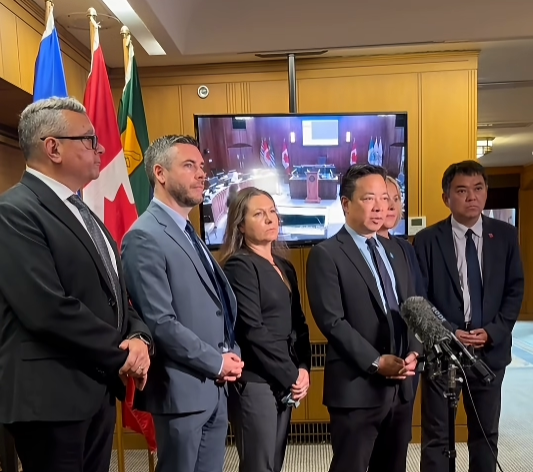
Special Council Meeting Approves Plebiscite
On August 14, 2026, Vancouver City Council held a special meeting and directed staff to add the non-binding plebiscite to the 2026 Vancouver Election ballot. Mayor Ken Sim and ABC Vancouver councillors supported the motion.
The questions address issues the Mayor has repeatedly raised with the provincial government. These include calls for stronger local tools against open-air drug use in public spaces and a formal request for secure care capacity in Vancouver.
Some opposition councillors raised concerns about process and timing during the meeting. The approval ensures voters will receive the questions alongside their ballots for mayor, councillors, school trustees, park board commissioners, and capital plan questions.
The Two Questions Vancouver Voters Will Face
When voters complete their ballots in October, they will be asked:
Vancouver has experienced unprecedented levels of street disorder, open-air hard drug use, and disruption to community safety and individual health. Therefore,
- Are you in favour of the City of Vancouver strengthening its laws to forbid open-air hard drug (Heroin, Meth, Fentanyl, and Crack) use in public spaces?
AND
- Should the City of Vancouver formally ask the Province of BC to convert portions of the old St. Paul’s Hospital, or another similar site, into a secure medical facility that provides acute voluntary and 100-plus involuntary care beds for individuals posing a serious risk to themselves or others due to severe substance use and mental health disorders?
Voters may answer in favour or opposed to both questions. The questions are advisory. A majority “yes” would give the next Council a public mandate to strengthen municipal bylaws where authority exists and to advocate for provincial action on care beds.
The second question points to the forthcoming vacancy at the old St. Paul’s Hospital site in the West End after operations move to the new campus, or another suitable location.
Context of Street Disorder and Prior Advocacy
Mayor Sim has framed the plebiscite as a response to ongoing challenges with public drug use, street disorder, and the impact on community safety and individual health. The City has cited high levels of open-air hard drug use as a driver of disruption in public spaces.
This step builds on earlier correspondence with the provincial government. In an August 6, 2026 letter to Premier David Eby, the Mayor called for the immediate need for 100 involuntary care beds in Vancouver. Previous letters included a May 2026 note to the Health Minister regarding a proposed overdose prevention site at 900 Helmcken and a September 2024 letter to the Premier and Prime Minister supporting mandatory care options for severe cases.
Provincial announcements of new involuntary care capacity have focused on locations outside Vancouver, including facilities planned for Surrey and Prince George. The Mayor has argued that Vancouver requires local capacity given the concentration of need.
Premier David Eby has stated that the province supports creating involuntary care capacity in Vancouver and has been searching for a suitable site. The Premier questioned the necessity of a plebiscite on an idea with broad agreement, while noting the intensity of the situation in the Downtown Eastside.
Cost, Process and Non-Binding Nature
Adding the plebiscite increases the cost of the municipal election by approximately 4–6 percent. City estimates place the added expense in the range of several hundred thousand dollars.
Council’s authority comes from section 184 of the Vancouver Charter, which allows submission of questions to voters for information. Results do not create legal obligations or compel provincial action. Voters will receive two ballots: one for elected positions and capital plan questions, and a second dedicated to the public safety questions.
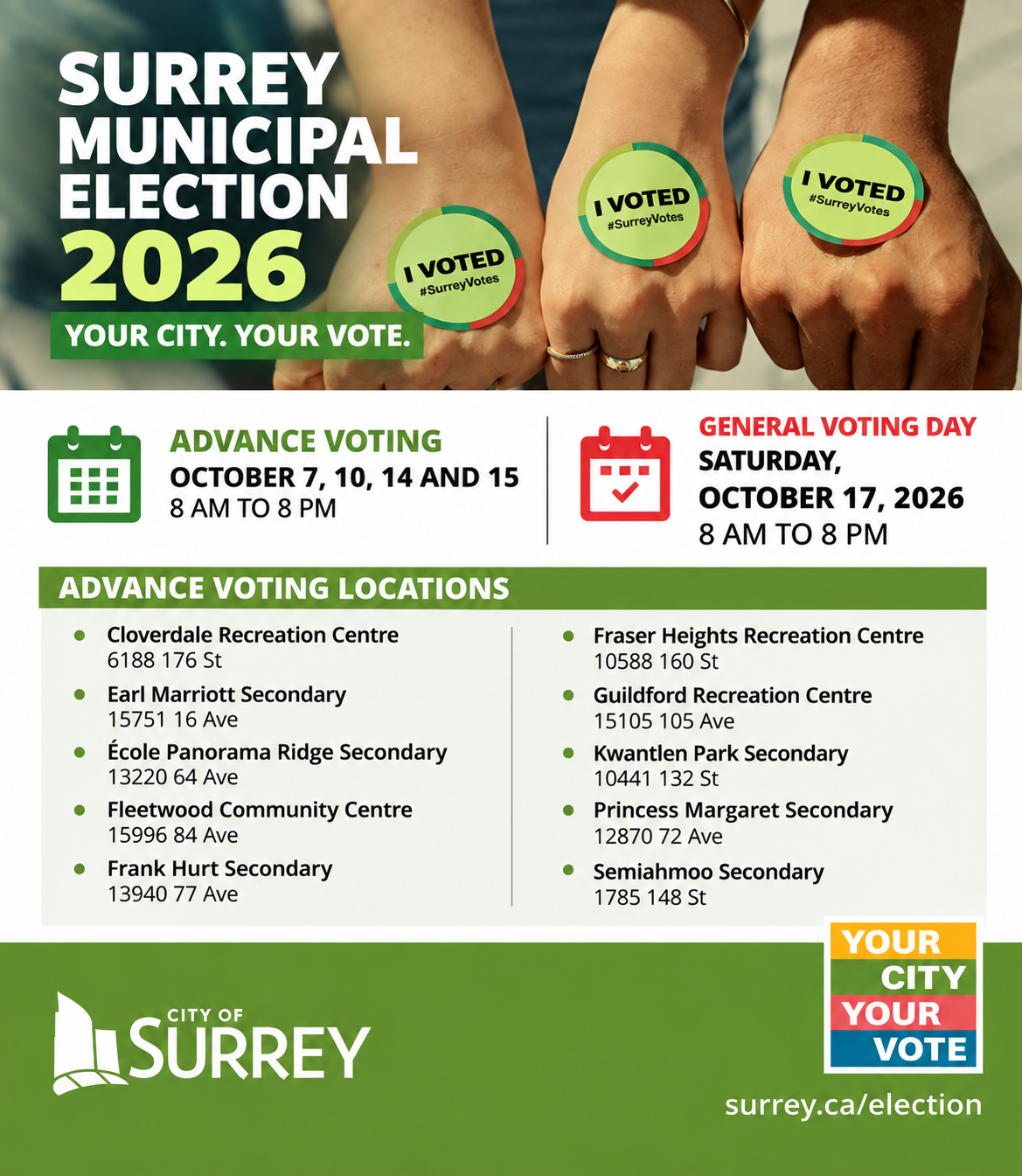
Advance voting and vote-by-mail options will include both ballots. The municipal election is scheduled for October 17, 2026.
Reactions and Next Steps
Supporters describe the plebiscite as an opportunity for residents to provide a clear democratic signal on enforcement expectations in public spaces and on care for those posing serious risks due to severe disorders. ABC Vancouver has released supporting policy material outlining possible municipal bylaw approaches and a continuum of care model that includes stabilization, detox, treatment, and both voluntary and involuntary options where appropriate.
Opponents have characterized the timing and framing as political. Some councillors left the special meeting rather than participate in the vote. Criticism has focused on the advisory nature of the questions, the cost, and the division of responsibilities between municipal bylaws and provincial health and mental health authorities.
The results will inform the next Council’s approach after the election. Municipal bylaws can address behaviour in public spaces, while involuntary care and facility development fall primarily under provincial jurisdiction and legal frameworks. Recent court rulings on aspects of involuntary care have added complexity to implementation discussions.
Quick Facts
- Special Council meeting date: August 14, 2026
- Election date: October 17, 2026
- Questions: Two non-binding yes/no questions on open-air hard drug use bylaws and a formal request for 100-plus involuntary care beds
- Cost impact: Approximately 4–6% increase in election costs
- Authority: Vancouver Charter section 184
- Prior advocacy: Letters dated September 2024, May 2026, and August 6, 2026
- Potential site referenced: Portions of the old St. Paul’s Hospital or similar
Vancouver residents will have the opportunity to register their views on these issues when they cast ballots this fall. The outcome is expected to shape ongoing discussions between the City and the Province on public safety, street disorder, and treatment capacity.

Harnaik Singh Rathor is the Founder, Publisher, and Editor-in-Chief of StudioX News Canada, Canada's multilingual digital news network serving diaspora communities across 44 languages. With a background in media production, public relations, and multicultural communications, he founded StudioX Film and TV Corporation to bridge the gap between mainstream Canadian media and the country's diverse immigrant communities. He is a member of the Canadian Association of Journalists (CAJ), RTDNA Canada, CPRS Vancouver, NEPMCC, and the Canadian Freelance Union (Unifor). Based in Surrey, British Columbia. | LinkedIn: https://www.linkedin.com/in/harnaiksinghrathor/ | Muck Rack: https://muckrack.com/harnaiksinghrathor | Email: editor@studioxnews.ca