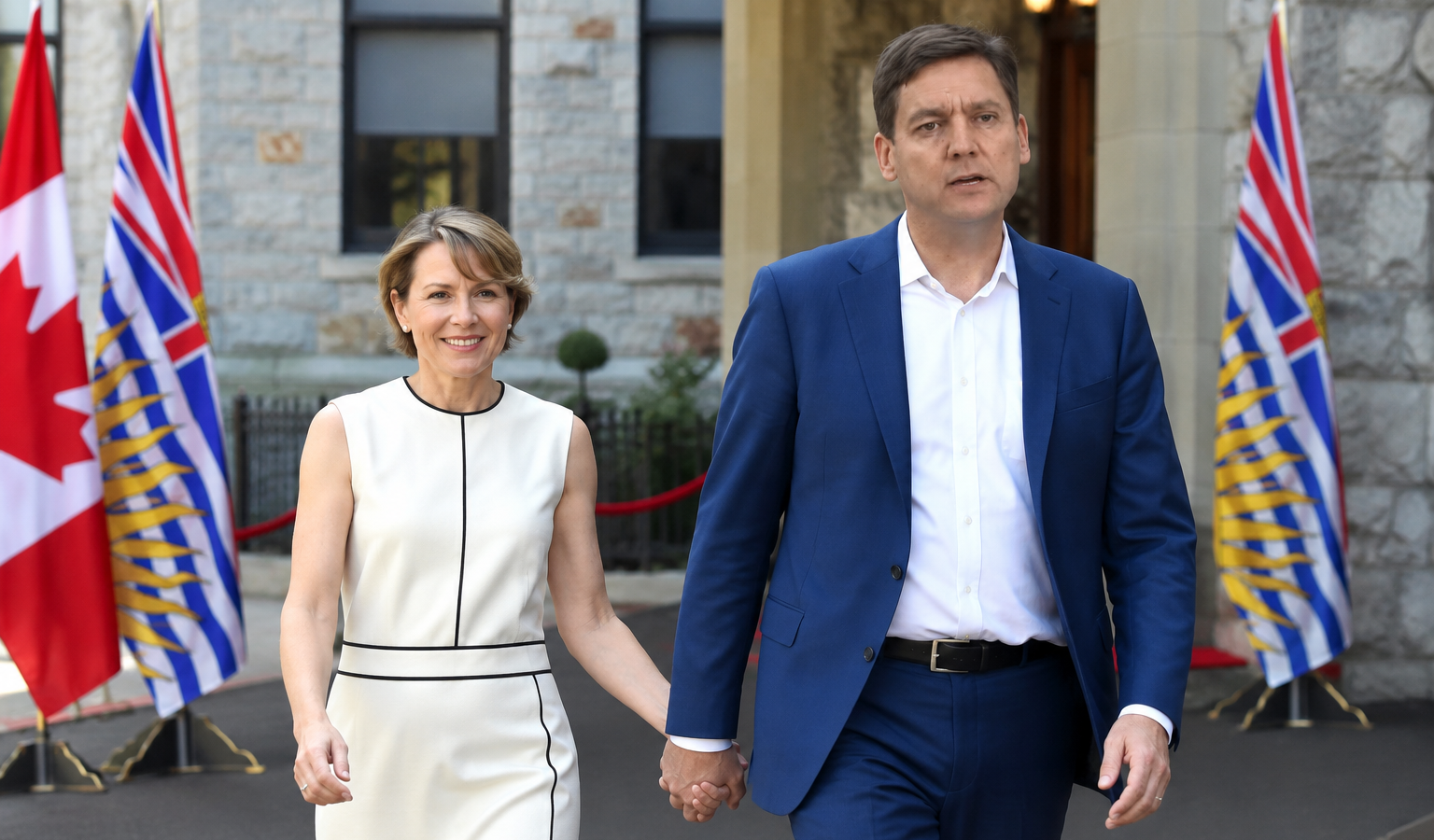

VICTORIA, B.C. — British Columbia’s 43rd Parliament has been dissolved, setting the province on the path to a provincial general election on October 24, 2026.
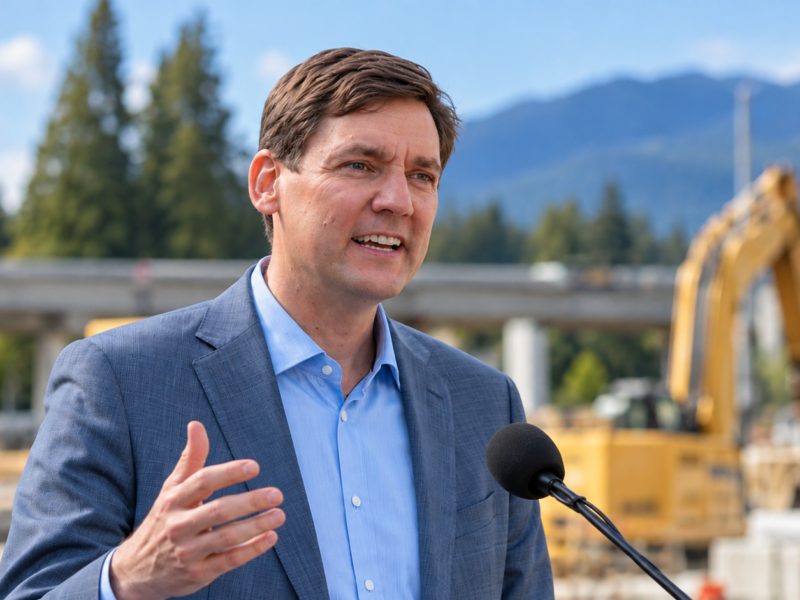
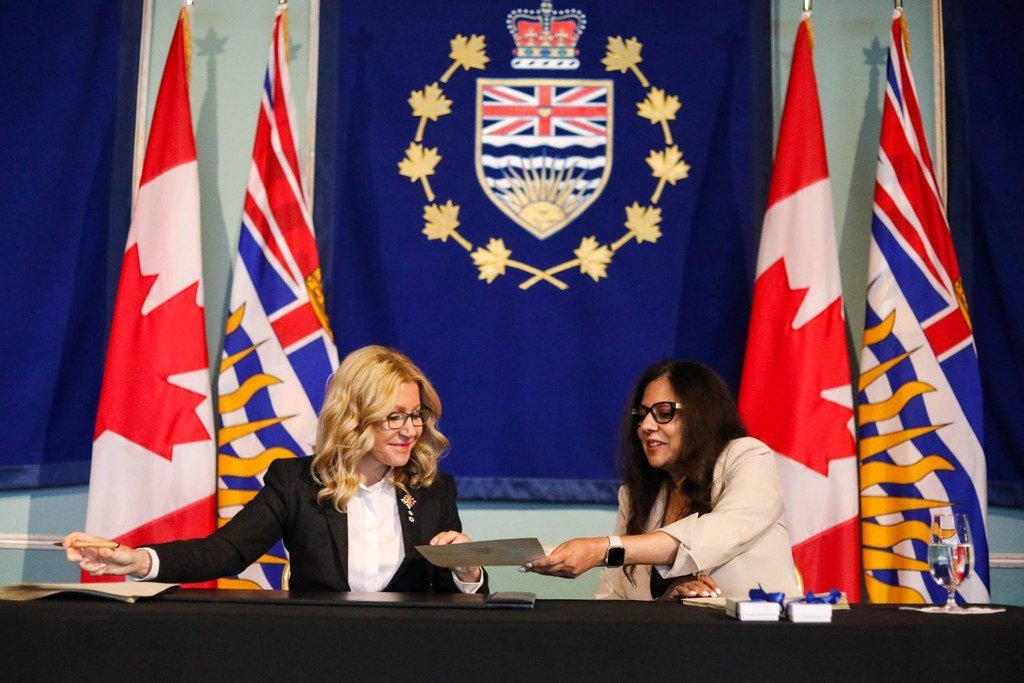
Premier David Eby announced the election after meeting with Lieutenant Governor Wendy Cocchia, saying she had agreed to dissolve the legislature and call a provincial election.
Writs have subsequently been issued for all 93 electoral districts in British Columbia.
The dissolution brings the current Parliament to an end and moves the province into the formal election period, with voters set to choose representatives for the next Legislative Assembly.
Eby announces election after meeting with Lieutenant Governor
Speaking to reporters following his meeting with the Lieutenant Governor, Eby said the legislature had been dissolved and the provincial election would take place on October 24.
He then used his opening remarks to explain why he believes the election is taking place now.
“The conditions in our country have changed and they’re changing quickly by the hour,” Eby said.
A significant part of his announcement focused on the economic and political relationship between Canada and the United States, particularly the actions of U.S. President Donald Trump.
Eby said Trump was “attacking our workers,” “targeting our businesses” and “threatening our sovereignty,” while arguing that the effects of the changing Canada-U.S. relationship are being felt in British Columbia.
Eby frames election around economic uncertainty
Eby said the impact of U.S. policy extends beyond international trade, arguing that British Columbians are feeling the effects through the cost of food and essential goods, healthcare, housing and employment.
He said businesses that lose access to U.S. markets can face consequences for workers and communities, while higher costs for materials such as steel, fuel and fertilizer can eventually affect consumers.
Eby described his proposed response using a wildfire analogy, saying B.C. needs to build a “firebreak” around the things that matter most to British Columbians.
He said that includes reducing the province’s dependence on the United States and preparing for economic shocks coming from south of the border.
Eby cites trade figures
In his remarks, Eby pointed to recent export figures as evidence of the changing economic environment.
He said B.C. exports to the United States were down 4% in the last quarter, while exports to markets outside the United States were up 16%.
Eby described expanding markets beyond the U.S. as part of what he called building a “firebreak” for the province’s economy.
Premier outlines three-part approach
Eby said his plan for the province is built around three core pillars:
Stand up. Protect. Build.
Under “stand up,” Eby said B.C. needs to respond to threats from the United States and work with the federal government, Canadian workers and businesses.
He said “protect” means protecting British Columbians from economic shocks while supporting families, healthcare and essential public services.
The third pillar, “build,” focuses on developing infrastructure and creating pathways to markets outside the United States.
Eby said the province cannot control what the U.S. president does next, but it can control how British Columbia prepares.
Eby contrasts his approach with Conservative parties
Eby also used his election announcement to draw a contrast with Conservative parties in British Columbia.
He characterized their proposed direction as including closer alignment with Trump, cuts to public services and what he described as “politics of division and chaos.”
Eby said British Columbians face a choice about the direction the province should take.
Those comments are part of Eby’s political argument as the election campaign begins and do not represent an independent assessment by StudioX News.
Why did Eby call the election now?
Questions from reporters focused heavily on the timing of the election.
Eby said the decision was connected to what he described as rapidly changing conditions involving the United States and the potential impact on Canadian industries, businesses and workers.
He argued that British Columbians should have a say in the direction of the province under those circumstances.
Reporters also questioned whether the election timing could create confusion because municipal elections are scheduled for October 17.
Eby rejected the suggestion that the decision was motivated by personal political considerations and said he believed British Columbians could understand the circumstances surrounding the provincial vote.
Municipal and provincial elections will be close together
The timing means B.C. voters will be dealing with multiple elections and campaigns in October.
The provincial election’s Final Voting Day is October 24, while municipal elections are scheduled for October 17.
Reporters asked Eby about concerns raised over the proximity of the two elections and whether voters could become confused by the number of candidates and offices on the ballot.
Eby said he had confidence in British Columbians’ ability to understand the different elections and again pointed to the economic circumstances he believes require the provincial election now.
Healthcare, housing and affordability enter election message
Although the announcement centred heavily on Canada-U.S. relations, Eby also connected the election to issues affecting households and public services.
He said economic pressures are affecting the cost of essentials, while uncertainty is affecting businesses and workers.
Eby also highlighted healthcare and housing as areas requiring continued action.
He argued that B.C. needs to ensure it can maintain healthcare and other essential services without being overly dependent on any one country or external political leader.
Eby points to his government’s record
During the media questions, Eby was also asked whether he was relying too heavily on Donald Trump as an election issue rather than focusing on his government’s record.
Eby responded by pointing to initiatives and results he attributed to his government.
He said the government had connected one million people with a family doctor, built 250 schools and strengthened infrastructure.
He also pointed to approximately $100 billion in major projects expected over the following 24 months.
At the same time, Eby acknowledged that British Columbians continue to face higher costs and said there is more work to do.
Indigenous relations and the Declaration Act
The media also questioned Eby about Indigenous relations and the province’s implementation of the Declaration on the Rights of Indigenous Peoples Act, including questions around private land.
Eby responded in the context of the broader economic and political circumstances he said have changed since the legislation was introduced.
The issue is expected to remain part of the political discussion as parties campaign across the province.
What happens now?
With the 43rd Parliament dissolved and writs issued across all 93 electoral districts, the provincial election campaign is now underway.
Political parties and candidates will campaign across British Columbia ahead of Final Voting Day on October 24, 2026.
The campaign is expected to focus on a range of issues, including the economy, affordability, healthcare, housing, infrastructure, trade, public services and the province’s relationship with the United States and federal government.
For voters, the immediate change is that the province has moved from the current Parliament into an election period.
StudioX News will continue to follow the 2026 B.C. election, including candidate nominations, party platforms, local races and the issues affecting communities across British Columbia.
StudioX News Canada
Canada-first news.

Harnaik Singh Rathor is the Founder, Publisher, and Editor-in-Chief of StudioX News Canada, Canada's multilingual digital news network serving diaspora communities across 44 languages. With a background in media production, public relations, and multicultural communications, he founded StudioX Film and TV Corporation to bridge the gap between mainstream Canadian media and the country's diverse immigrant communities. He is a member of the Canadian Association of Journalists (CAJ), RTDNA Canada, CPRS Vancouver, NEPMCC, and the Canadian Freelance Union (Unifor). Based in Surrey, British Columbia. | LinkedIn: https://www.linkedin.com/in/harnaiksinghrathor/ | Muck Rack: https://muckrack.com/harnaiksinghrathor | Email: editor@studioxnews.ca